Radon gas is a serious but invisible threat that can affect large buildings without any warning signs. Offices, schools, and apartment complexes are especially vulnerable because many people share indoor air for long hours every day. When radon builds up, it can quietly impact health over time without being detected.
In Colorado, the risk is even higher due to natural soil conditions and building designs that allow gas to enter easily. At Colorado Radon Mitigation LLC, we help property owners understand and manage commercial radon mitigation in Colorado with safe, effective solutions designed for large buildings and multi-unit spaces.
Unlike smaller homes, commercial buildings require more complex safety planning. Airflow systems, underground structures, and shared spaces all influence how radon spreads. Without proper control systems, exposure can increase across entire floors or units, making prevention a critical responsibility.
What Is Radon and Why It Matters
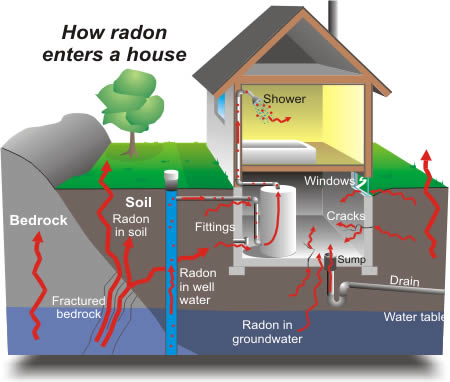
Radon is a naturally occurring radioactive gas formed when uranium breaks down in soil, rock, and groundwater. It slowly rises from the ground and can enter homes through cracks in foundations, gaps around pipes, and even through sump systems.
The Environmental Protection Agency (EPA) highlights radon as the second leading cause of lung cancer in the United States. It is responsible for thousands of deaths each year because long-term exposure damages lung tissue without showing immediate symptoms.
What makes radon especially dangerous is its invisibility. Families may live in homes with high levels for years without knowing. This is why radon in winter becomes a major concern, as indoor concentrations often increase during colder months when ventilation is reduced.
Why Radon Levels Increase in Colorado Winters
Winter in Colorado creates unique conditions that directly affect how radon behaves inside homes. As temperatures drop, homeowners’ close windows and seal doors tightly to keep warm air inside. This reduces natural airflow and allows gases from the ground to accumulate indoors.
Cold weather also causes soil pressure changes. When the ground freezes, radon gas is pushed upward into homes more forcefully. Studies have shown that indoor radon levels can be significantly higher during winter compared to summer months, sometimes increasing by two to four times.
This seasonal pattern explains seasonal radon levels of colorado and why testing during colder months is strongly recommended. It provides a more accurate picture of real exposure risk when homes are closed.
How the Closed House Effect Impacts Radon Levels
The closed house effect happens when homes are sealed for long periods, especially during winter. With windows shut and limited air exchange, indoor air becomes trapped and stagnant. This allows radon gas to accumulate without escaping naturally.
Even modern homes with insulation and energy-efficient designs are not immune. In fact, tighter construction can sometimes make the problem worse because there is even less natural ventilation.
This effect explains why radon levels often rise in colder seasons and why homeowners may see sudden spikes during winter testing periods.
Colorado Geography and Radon Risk
Colorado’s natural landscape plays a major role in its higher radon levels. The state contains uranium-rich soil and rock formations, especially in mountainous and high-altitude regions. As uranium breaks down, it continuously releases radon gas into the environment.
According to public health data, nearly 50% of homes tested in Colorado show radon levels above the EPA action limit of 4 pCi/L. This makes radon testing colorado essential for nearly all homeowners, regardless of location or home age.
Because the gas originates from the ground itself, any home built on Colorado soil has potential exposure risk, making regular testing a necessary safety measure.
HVAC Systems and Indoor Air Pressure Changes
Heating systems and HVAC units play an important role in how radon moves through a home. During winter, these systems create pressure differences between indoor and outdoor air. This pressure can pull radon gas from the soil into basements and lower levels.
When warm air rises inside a home, it creates a vacuum effect at lower levels. This vacuum draws in gases from beneath the foundation, including radon. If the home is tightly sealed, the gas becomes trapped and slowly builds over time.
Understanding the HVAC effect helps homeowners realize that even well-maintained heating systems can unintentionally contribute to radon accumulation during winter months.
Health Risks of Long-Term Radon Exposure
Radon exposure does not cause immediate symptoms, which makes it particularly dangerous. Over time, inhaling radon gas breaks down lung tissue and increases the risk of serious respiratory diseases.
The EPA reports that radon exposure is the second leading cause of lung cancer after smoking. For smokers exposed to radon, the risk becomes even higher due to combined damage to lung cells.
Because exposure builds slowly, many families remain unaware until testing reveals unsafe levels. This is why regular monitoring and early prevention are important.
How to Test for Radon Effectively
Testing is the only reliable way to determine radon levels in a home. There are different types of tests available, and each serves a specific purpose depending on timing and accuracy needs.
Short-term tests usually last between 2 to 7 days and provide quick results. Long-term tests, on the other hand, measure radon levels over several months and give a more accurate overall reading.
Experts recommend testing during winter when homes are closed up, as this reflects worst-case exposure conditions. Seasonal re-testing is also important because radon levels can change throughout the year based on weather and structural conditions.
What to Do If Radon Levels Are High
If radon levels exceed the EPA recommended limit, action should be taken immediately. The first step is identifying entry points such as foundation cracks, sump pits, or gaps around utility lines.
Sealing these areas can help reduce gas entry, but it is usually not enough on its own. Increasing ventilation can also help improve indoor air quality, especially in basements and lower floors.
For long-term protection, many homeowners choose a residential radon mitigation system. These systems actively pull radon from beneath the home and release it safely outdoors, significantly reducing indoor concentration levels.
Professional Radon Mitigation Solutions
When radon levels remain high, professional systems offer the most effective solution. These systems are designed to continuously reduce radon gas before it enters living spaces.
In homes, residential radon mitigation system setups are commonly installed beneath the foundation and use ventilation pipes to direct gas outside. These systems are highly effective when properly installed.
For larger buildings, Commercial radon mitigation solutions are required due to increased size and airflow complexity. In such cases, radon mitigation systems for commercial building designs are customized to meet safety standards.
Professional radon mitigation services ensure proper installation, testing, and long-term monitoring for safety and compliance.
Why Regular Retesting Matters
Radon levels are not stable and can change due to weather, home renovations, or soil movement. This makes seasonal re-testing an important part of home safety.
Even after installing a mitigation system, testing should continue to ensure the system is working properly. Experts recommend retesting every two years or after any major structural changes.
Regular monitoring helps maintain safe indoor air quality and ensures long-term protection for families.
Conclusion
Radon levels in Colorado homes often rise during winter due to sealed environments, soil conditions, and pressure changes inside buildings. Understanding seasonal radon levels of colorado helps homeowners take timely action and reduce health risks before they become serious. Regular testing, proper ventilation, and professional mitigation systems all play an important role in maintaining safe indoor air quality. Contact us Colorado Radon Mitigation LLC today and request an appointment to ensure your home stays protected from harmful radon exposure throughout the year.
FAQs
Radon levels rise in winter because homes are sealed tightly, reducing ventilation and trapping gas indoors for longer periods.
Yes, Colorado has some of the highest radon levels in the U.S., making regular testing essential for safety.
Experts recommend testing every two years and during winter for the most accurate readings.
Yes, HVAC systems can change air pressure and unintentionally draw radon into living spaces.
Professional mitigation systems are the most effective way to reduce radon to safe levels long-term.