Radon is one of the most serious hidden risks in indoor air. It is a natural gas that enters buildings from the ground and cannot be seen, smelled, or tasted. Many homes and businesses in Colorado may already have elevated levels without realizing it.
Because radon exposure builds slowly over time, testing is the only way to know if your indoor air is safe. Understanding radon testing in Colorado is essential for protecting families, employees, and property occupants from long-term health risks.
Colorado is known for higher-than-average radon levels due to its geology. This makes regular testing a critical part of home and building safety. Whether it is a house, office, or commercial property, early detection helps prevent serious health issues and ensures clean indoor air.
What Is Radon and Why It Matters
Radon is a radioactive gas formed naturally when uranium breaks down in soil and rock. It moves upward through the ground and enters buildings through small cracks and openings in foundations.
The U.S. Environmental Protection Agency (EPA) identifies radon as the second leading cause of lung cancer in the United States, responsible for about 21,000 deaths each year. This makes it one of the most important indoor air risks to monitor.
What makes radon especially dangerous is that it is completely invisible. Without testing, people may be exposed for years without knowing it. This is why consistent monitoring is important for both homes and businesses.
Why Colorado Has Higher Radon Levels
Colorado’s natural landscape plays a major role in its radon levels. The soil contains uranium-rich rock formations that release radon gas continuously as they break down.
According to state environmental data, nearly 50% of Colorado homes tested show radon levels above the EPA action level of 4 pCi/L. This includes both older homes and new constructions.
Because of this, new construction radon mitigation CO practices are often recommended even during the building stage. Early prevention helps reduce long-term exposure risks and improves indoor air safety from the start.
Importance of Comprehensive Radon Testing
Radon testing is the only reliable way to detect gas levels inside a building. Since radon cannot be detected through smell or sight, testing becomes the foundation of indoor air safety.
Comprehensive testing involves checking multiple areas of a building, including basements, ground floors, and enclosed spaces. This helps identify variations in radon levels across different sections. For more information about radon testing services, you can also check out various online sources.
Testing is important not only for homes but also for workplaces and public buildings. It ensures that all occupants are protected from long-term exposure risks.
Types of Radon Testing Methods
Different testing methods are used depending on building type and time requirements. Each method provides useful information about indoor air safety.
Short-Term Testing
Short-term tests measure radon levels over a few days. They are useful for quick results and initial screening of a property.
Long-Term Testing
Long-term tests measure radon levels over several months. They provide a more accurate average reading and help identify seasonal changes.
Continuous Monitoring
Some buildings use electronic monitors that track radon levels in real time. This is especially useful in commercial properties and large buildings.
Each method plays a role in understanding indoor air quality and ensuring safety.
How Radon Enters Buildings
Radon enters buildings through natural pressure differences between the ground and indoor air. It moves through cracks in foundations, gaps around pipes, and construction joints.
In colder months, homes are sealed tightly to retain heat. This creates a pressure difference that pulls radon into indoor spaces. This is why levels often rise during winter.
Understanding this process helps explain why even well-built structures can still have radon issues without proper protection.
Health Risks of Radon Exposure
Radon exposure does not cause immediate symptoms, which makes it especially dangerous. Over time, inhaling radon gas can damage lung tissue and increase the risk of lung cancer.
The EPA states that radon is the second leading cause of lung cancer after smoking. Smokers exposed to radon face an even higher risk due to combined lung damage.
Because exposure is silent, many people only discover it after testing is done. This makes early detection extremely important.
Radon Testing for Homes and Businesses
Radon testing is important for both residential and commercial buildings. Homes often have lower occupancy but longer exposure times, while businesses have higher occupancy but shared air systems.
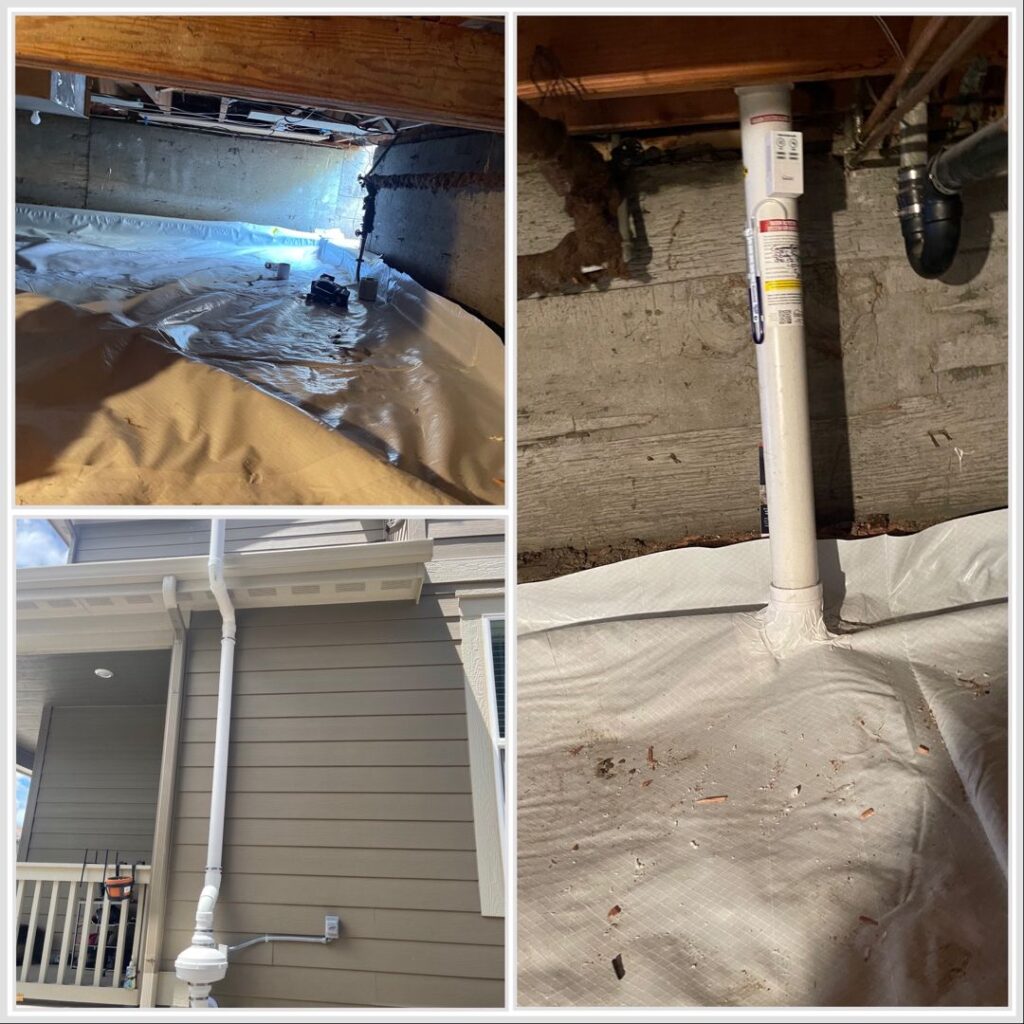
In residential properties, a residential radon mitigation system may be used if levels are high. In commercial spaces, larger systems are often required.
For businesses, Commercial radon mitigation solutions are designed to manage airflow in offices, schools, and multi-unit buildings.
In all cases, testing is the first step before any mitigation work begins.
Why Testing Is Important in New Construction
Even newly built homes and buildings can have radon issues if preventive systems are not installed. Soil conditions remain the same regardless of building age.
This is why radon-resistant construction techniques are often recommended during the building process. These include foundation sealing, ventilation piping, and soil gas control systems.
A pre-slab vapor barrier is one example of a preventive measure used before pouring concrete to reduce radon entry points.
Radon Testing in Commercial Properties
Large buildings require more detailed testing because air systems and occupancy levels are more complex. Radon can spread differently across floors and enclosed areas.
In some cases, radon mitigation systems for commercial building solutions are required if elevated levels are found. These systems are designed to manage air pressure and reduce gas entry.
Professional radon mitigation services often include testing, system design, and long-term monitoring for safety.
When Should You Test Radon?
Testing should be done regularly to ensure safe indoor air quality. Experts recommend testing every two years or after major renovations.
Testing is also important when buying or selling a property. It helps ensure transparency and safety for future occupants.
Seasonal changes can affect radon levels, so testing during winter often provides the most accurate results.
What Happens If Radon Levels Are High?
If testing shows high radon levels, steps should be taken immediately. The first step is identifying entry points such as cracks, drains, or foundation gaps.
Mitigation systems are then installed to reduce radon levels safely. These systems are designed to redirect gas away from living or working spaces.
Professional solutions ensure that radon levels are reduced to safe limits and maintained over time.
Importance of Professional Testing Services
While DIY kits are available, professional testing provides more accurate and reliable results. Experts know where to place monitors for the most effective readings.
Professional companies also understand building structure and airflow patterns. This helps in identifying hidden radon entry points that may not be obvious.
Experienced providers like Colorado Radon Mitigation LLC ensure accurate testing and reliable safety recommendations.
Long-Term Benefits of Regular Testing
Regular radon testing helps maintain safe indoor air quality over time. It also ensures that mitigation systems are working properly.
For homeowners, it provides peace of mind. For businesses, it ensures compliance and protects employees and visitors. Consistent monitoring is one of the most effective ways to reduce long-term health risks.
Conclusion
Radon testing is one of the most important steps in protecting indoor air quality for homes and businesses. In Colorado, where natural radon levels are higher, regular testing ensures early detection and prevention of health risks. Whether it is a residential property or a commercial building, accurate testing and professional guidance are essential. Contact us Colorado Radon Mitigation LLC today and request an appointment to keep your indoor air safe, healthy, and properly monitored throughout the year.
FAQs
Colorado has high natural radon levels, making testing essential for safe indoor air quality in homes and businesses.
Experts recommend testing every two years or after major structural changes or renovations.
Yes, even new homes can have radon issues if preventive systems were not installed during construction.
The EPA recommends action if radon levels are above 4 picocuries per liter.
Yes, professional testing provides more accurate results and better identification of risk areas.