Radon is an invisible gas with no smell. It can seep into your home through the soil and build up indoors over time. Left alone, high radon levels can raise your risk of serious health problems. That’s why fixing a radon issue matters for a safe, healthy home.
If you have a crawlspace, you may wonder if you need a RadonWell® system, crawlspace encapsulation, or both. Each one solves a different problem, and they don’t always do the same job. This guide breaks down how RadonWell® and crawlspace encapsulation work, how they differ, and which one may be the right fit for your home.
Watch: RadonWell® vs. Crawlspace Encapsulation
Not sure which option fits your home? Watch this short video that walks through the key differences side by side.
Understanding Crawlspace Radon
Homes with crawlspaces can be more at risk for high radon. Bare soil under the home lets gas move through gaps, cracks, and pipe openings, right into your living space.
How much radon gets in depends on a few things:
- The type of soil
- How the foundation is built
- Moisture levels
- Airflow in the home
Weather and pressure changes through the seasons
Before you pick a fix, get your home tested. A radon test tells you the real level of radon inside your home.
What Is RadonWell®?
RadonWell® is a radon system built to stop soil gas before it reaches your home. Instead of just sealing gaps or drying out the crawlspace, it pulls radon out from under the house and sends it outside.
A well-built radon mitigation system like this usually includes:
- A soil gas collection point
- Vent pipes
- A strong fan
- A safe outdoor exhaust point
The goal is simple: pull air pressure down under the foundation so radon can’t push its way inside.
Benefits of RadonWell®
Here’s why homeowners choose it:
- It stops radon at the source
- It works well for many crawlspace and slab homes
- It keeps working well for years when installed by a pro
- It doesn’t disrupt your day-to-day life
- It can be paired with other foundation upgrades
What Is Crawlspace Encapsulation?
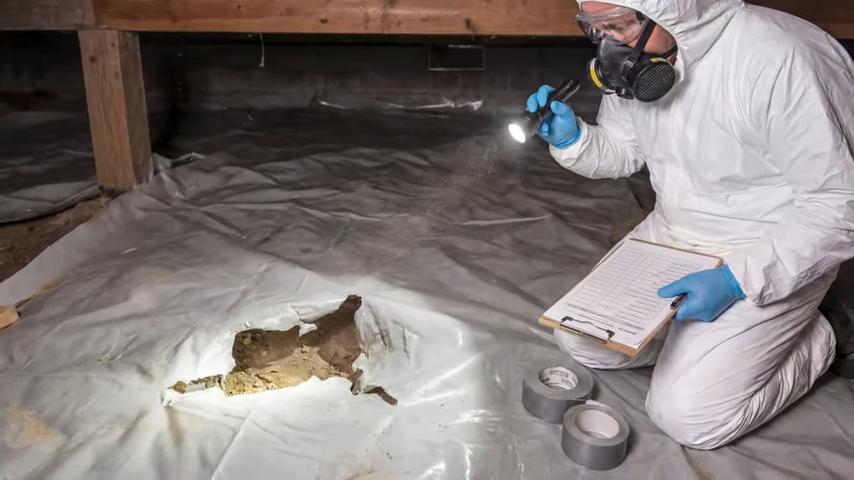
Crawlspace encapsulation means sealing your crawlspace with a thick vapor barrier and fixing moisture problems. The main goal is to control humidity, cut down on mold, and save energy.
- A typical encapsulation job may include:
- Installing a vapor barrier
- Sealing the foundation walls
- Adding insulation
- Upgrading drainage
- Installing a dehumidifier
Encapsulation offers real benefits for comfort and home health, but it’s not always enough on its own. It doesn’t replace a true radon mitigation solution.
Advantages of Crawlspace Encapsulation
Homeowners often pick encapsulation because it can:
- Cut down on extra moisture
- Improve the air you breathe indoors
- Lower humidity
- Protect wood framing from damage
- •Boost energy efficiency
But on its own, encapsulation may not lower high radon levels if gas still leaks in under the barrier.
RadonWell vs Crawlspace Encapsulation: Key Differences
Which one you need depends on your home’s build and your test results.
Feature | RadonWell® | Crawlspace Encapsulation |
Main job | Removes radon | Controls moisture |
Focus | Pulls soil gas out | Manages water vapor |
Lowers radon | Yes | Sometimes, not always |
Controls humidity | Not much | Yes |
Long-term radon results | Strong, when installed right | Depends on extra steps taken |
For many homes with high radon, a pro may suggest using both systems together for the best results.
Which Homes Benefit Most from RadonWell®?
RadonWell® tends to be a strong fit for homes that:
Have High Radon Levels
Radon testing shows levels above the safe limit.
Have Steady Soil Gas Coming In
Homes built on loose, gas-permeable soil often need active soil pressure control.
Need a Long-Term Fix
A dedicated radon system gives steadier results than moisture barriers alone.
When Crawlspace Encapsulation Makes Sense
Encapsulation pays off when a crawlspace deals with too much moisture, condensation, or mold.
It’s a smart pick if you want to:
- Protect the structure of your home
- Feel more comfortable indoors
- Cut energy costs
- Get rid of musty smells
If radon stays high after encapsulation, you may still need a dedicated radon system.
Can Both Solutions Work Together?
Yes. In many cases, pairing RadonWell® with crawlspace encapsulation gives you the best results overall.
Encapsulation keeps moisture in check while the RadonWell® system keeps pulling radon out from under your home. Together, they cover both problems at once.
A pro assessment will tell you if your home needs both systems.
Why Professional Testing Matters
Every home is different. Soil type, how the home was built, and airflow all affect how much radon builds up indoors.
Working with certified radon professionals gives you an accurate reading and the right system for your home. Reliable testing shows your real radon levels before any work starts.
Many homeowners also look for radon testing in Denver when buying a home or starting a remodel in Colorado.
Residential and Commercial Radon Solutions
This guide focuses on homes, but radon also affects commercial buildings.
Pro providers may offer:
- Residential radon mitigation system installs
- Commercial radon mitigation
- Radon mitigation system design for commercial sites
- Radon mitigation systems for commercial building projects
Commercial buildings usually need more complex engineering and custom planning.
Choosing the Right Radon Mitigation Partner
Picking the right radon mitigation company matters just as much as picking the right system.
Look for a provider that offers:
- A full inspection
- Accurate testing
- A plan built for your home
- Proper installation
- Ongoing check-ins on your system
If you’re searching for radon mitigation services or radon mitigation in Denver, check the provider’s credentials, experience, and track record before you hire them.
Conclusion
Choosing between RadonWell® and crawlspace encapsulation comes down to your home’s specific needs. Encapsulation works great for moisture control, while RadonWell® is built to stop radon and keep it out for the long run. In many homes, using both together gives you the healthiest indoor air. Not sure which one fits your home? Get a professional test, talk it through with a specialist, and contact Colorado Radon Mitigation to find the right fix for your home.
FAQs
Not always. Encapsulation helps control moisture and may block some soil gas, but homes with high radon often need a dedicated radon system for real results.
RadonWell® is built to lower radon by pulling soil gas out and venting it away. Crawlspace encapsulation seals the space to control moisture and save energy.
Yes. Many homeowners choose both since they solve different problems. RadonWell® handles radon gas, while encapsulation helps stop moisture, mold, and humidity.
A professional radon test is the best way to find out. Your test results and your home’s foundation type will point you to RadonWell®, encapsulation, or both.
Test every two years, or after a big renovation, foundation repair, or change to your home’s airflow, to keep radon levels in a safe range.