Radon Control is a critical component of maintaining healthy indoor environments in both commercial buildings and multi-unit residential properties. Radon gas can accumulate unnoticed in enclosed structures, creating long-term health risks for occupants if not properly managed. Because it is odorless and invisible, detection and mitigation require professional expertise and structured engineering solutions.
In large or shared buildings, radon management becomes even more complex due to varying ventilation patterns, multiple occupancy zones, and differing foundation layouts. This makes systematic radon testing and mitigation essential for long-term safety.
Understanding Radon Risks in Multi-Unit and Commercial Buildings
Radon enters buildings through soil, foundation cracks, and utility openings. In multi-unit properties, the gas can move between units through shared walls, elevator shafts, and plumbing systems.
Commercial spaces face similar risks, especially in basements, underground parking structures, and low-ventilation areas. Without proper Radon Control strategies, concentrations can build up in specific zones, exposing occupants to long-term health risks.
Because exposure is cumulative, even moderate levels over time can become a concern for property managers and tenants.
Importance of Radon Control in Shared Properties
Managing radon in multi-unit and commercial environments is essential for maintaining health and safety standards. Property owners have a responsibility to ensure safe indoor air quality for tenants, employees, and visitors.
Effective radon management also reduces liability risks and enhances property value. Buildings with verified radon safety measures are often more attractive to tenants and buyers.
Role of Professional Testing in Radon Management
Accurate testing is the foundation of any radon strategy. Without it, identifying risk zones and designing effective solutions becomes impossible.
radon testing colorado springs is commonly used to evaluate both residential and commercial structures in high-risk regions. These tests help determine whether mitigation is required and where concentrations are highest. To learn more about radon mitigation, you can explore various online resources.
In larger properties, Comprehensive Radon Testing in Colorado provides a more detailed assessment across multiple units and floors, ensuring no area is overlooked.
Core Radon Control Strategies for Large Buildings
Effective radon management requires a combination of engineering techniques and ongoing monitoring systems tailored to building structure and usage.
Sub-Slab Depressurization Systems
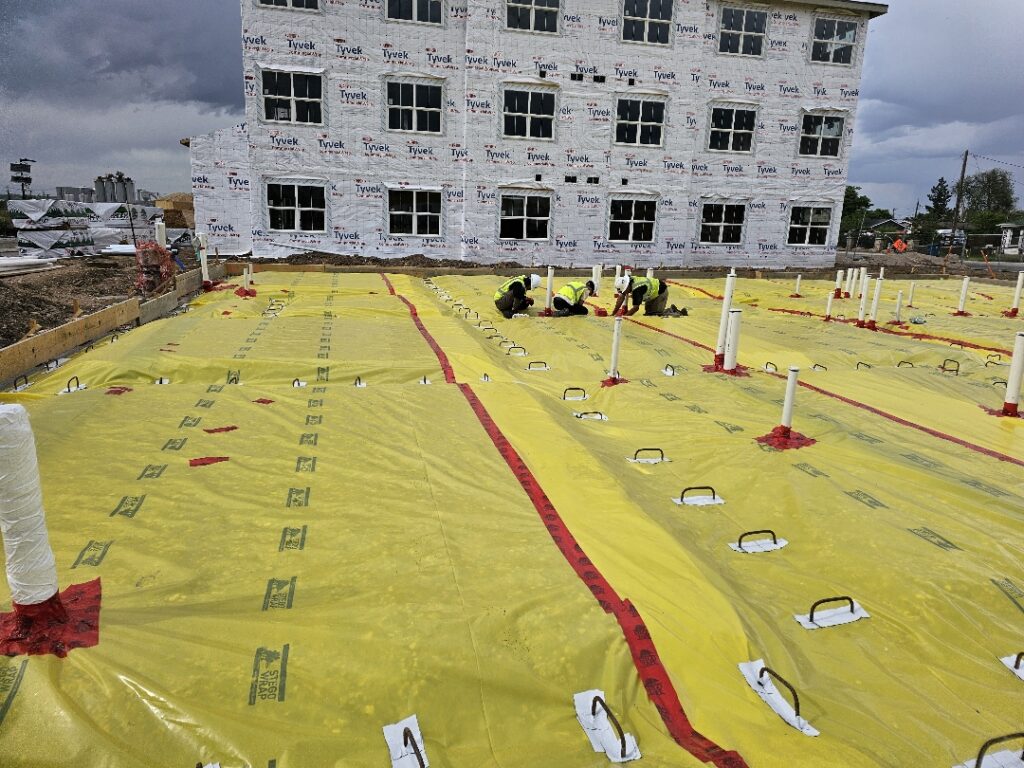
This method involves creating a vacuum beneath the building foundation to redirect radon gas outside before it enters occupied spaces. It is one of the most effective long-term solutions for large structures.
Building Pressure Management
Adjusting internal air pressure helps prevent radon from being drawn into living or working areas. This method is often used in combination with other mitigation techniques.
Sealing Entry Points
Cracks, joints, and openings in foundations are sealed to reduce radon infiltration. While not sufficient alone, it supports overall mitigation effectiveness.
Continuous Monitoring Systems
Ongoing monitoring ensures radon levels remain stable and safe across all building zones. It also helps detect fluctuations caused by seasonal changes or structural adjustments.
Commercial Radon Mitigation Planning and Execution
The Radon Mitigation Installation Process for large properties involves multiple stages, including testing, system design, installation, and post-installation verification.
Commercial buildings often require customized engineering solutions due to their size and complexity. In radon mitigation commercial buildings, systems must be designed to handle multiple air zones and varying occupancy patterns.
Differences Between Residential and Multi-Unit Systems
Radon management in single homes differs significantly from multi-unit or commercial properties. A residential radon mitigation system is typically simpler and designed for one enclosed living space.
However, multi-unit properties require systems that account for shared infrastructure and air movement between units. This complexity demands more advanced planning and continuous system monitoring.
Importance of Commercial and Multi-Unit Expertise
Specialized professionals are essential for designing effective radon solutions in large buildings. Commercial Radon Mitigation experts understand airflow dynamics, building codes, and soil conditions that influence radon movement.
Their experience ensures that systems are correctly designed, installed, and maintained to achieve long-term safety and compliance.
Cost Considerations for Radon Control Systems
The cost of radon mitigation varies depending on building size, structure, and system complexity. While initial installation may require investment, long-term benefits include improved safety and reduced legal risk.
Many property owners look for Affordable Radon Mitigation solutions that balance effectiveness with budget constraints while still meeting safety standards.
Residential vs Multi-Unit Radon Systems
While Residential Radon Mitigation Systems are typically designed for single-family homes, multi-unit buildings require more complex, centralized solutions.
Each unit may be affected differently, requiring tailored approaches or shared mitigation infrastructure. This ensures consistent air quality across the entire property.
Importance of Professional Installation
Proper installation is critical to ensuring system effectiveness. Poorly designed systems can lead to uneven mitigation and persistent radon exposure in certain areas.
Professional teams ensure that systems are customized to building structure and validated through post-installation testing.
Regional Considerations and Radon Variability
Radon levels vary significantly based on geographic and geological conditions. In some regions, higher soil uranium content leads to increased indoor radon risk.
This makes regular testing and monitoring especially important in areas with known radon activity, where levels can fluctuate seasonally or due to structural changes.
Selecting a Trusted Service Provider
Choosing an experienced provider ensures long-term success in radon management. Property owners should look for certification, technical expertise, and regional experience.
Many clients choose to Contact Colorado Radon Mitigation LLC for professional assessment, system design, and installation services tailored to both commercial and multi-unit properties.
Long-Term Maintenance and System Monitoring
Radon systems require ongoing maintenance to remain effective. Over time, changes in building structure, occupancy, or environmental conditions can affect system performance.
Regular inspections and monitoring ensure that radon levels remain within safe limits and that mitigation systems continue functioning as intended.
Conclusion
Effective Radon Control is essential for maintaining safe indoor environments in commercial and multi-unit properties. Through proper testing, engineered solutions, and ongoing monitoring, property owners can significantly reduce radon exposure risks and ensure long-term safety. If you are looking to protect your building and occupants, now is the right time to act—Contact Colorado Radon Mitigation LLC today for expert guidance and tailored radon mitigation solutions designed to keep your property safe and compliant.
FAQs
It refers to strategies and systems designed to reduce radon gas levels across shared living or commercial spaces.
Because air and gas can move between units through shared infrastructure, making distribution and control more challenging.
Testing is recommended every few years or after structural or ventilation changes.
Sometimes, but larger properties may require multiple systems depending on layout and radon distribution.
The first step is professional testing to determine radon levels and identify high-risk areas within the property.