Radon is a naturally occurring radioactive gas that can seep into homes through foundations, basements, and crawlspaces. Long-term exposure is a leading cause of lung cancer, making mitigation essential for Colorado homeowners.
The radon mitigation process CO involves a series of steps designed to reduce radon levels indoors. By installing proper venting systems, sealing entry points, and incorporating a radon fan to install, homeowners can significantly reduce health risks while improving air quality. According to the Environmental Protection Agency, one in every 15 homes in the U.S. has elevated radon levels, highlighting the importance of mitigation.
This guide outlines what homeowners can expect during radon mitigation installation, explains key steps, and discusses the benefits of professional radon mitigation services.
Understanding the Radon Mitigation Process
The radon mitigation process CO is designed to safely reduce radon concentrations in homes. The process begins with professional radon testing in Denver or your local area to determine if mitigation is needed.
Once high levels are confirmed, mitigation steps are planned based on the home foundation type, soil characteristics, and structural layout. Mitigation typically involves venting soil gases outside, sealing key entry points, and installing radon fans for continuous airflow. Early mitigation protects both your family’s health and long-term property value.
Importance of Radon Testing Before Installation
Testing is the first and most crucial step in the mitigation process. Radon is invisible, tasteless, and odorless, so homeowners cannot rely on visual cues alone.
Professional radon testing in Denver ensures accurate measurements and identifies areas with high concentrations. According to the American Lung Association, testing is the only way to determine if radon levels exceed the EPA action level of 4 picocuries per liter (pCi/L). Proper testing guides the design of effective residential radon mitigation solutions.
Initial Home Assessment
After testing confirms elevated radon levels, mitigation experts perform a detailed home assessment. This includes examining the foundation, identifying radon entry points, and evaluating the crawlspace, basement, or slab configuration.
Experts look for cracks, gaps, and unsealed vents where radon can infiltrate. This step ensures that the mitigation system is tailored to the specific needs of the property, improving efficiency, and long-term performance.
Sealing Key Radon Entry Points
One of the critical steps in the radon mitigation process CO is sealing areas where radon enters the home. Common entry points include foundation cracks, gaps around plumbing, and sump pits.
Sealing these pathways reduces the volume of radon that can reach living spaces. Materials used include specialized caulks, sealants, and vapor barriers, which improve the overall performance of the mitigation system. Sealing also contributes to energy efficiency by reducing air leaks.
Installing a Radon Fan
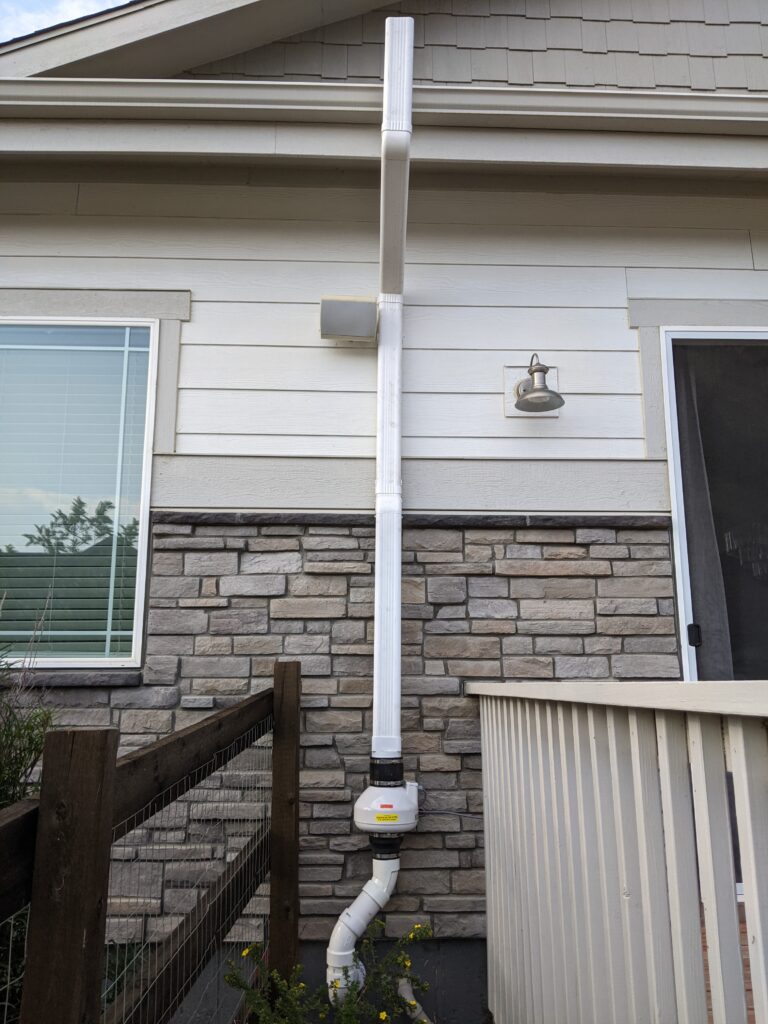
A radon fan install is a central component of most mitigation systems. The fan creates a vacuum under the foundation or within a venting pipe to safely redirect radon outdoors.
Fans are designed to operate continuously, providing a steady airflow that reduces radon concentrations in the home. Modern fans are energy-efficient, quiet, and can last many years with proper maintenance.
Home Foundation Venting Techniques
Home foundation venting is used to channel radon gas away from living spaces. Sub-slab depressurization is the most common method, where a pipe is inserted under the foundation and connected to the radon fan.
In crawlspaces, venting may include installing pipes above a vapor barrier to redirect soil gases outside. Proper vent placement and pipe routing are essential to maximize airflow and maintain safe radon levels throughout the home.
Benefits of a Comprehensive Mitigation System
Residential radon mitigation solutions provide several advantages beyond reducing radon exposure. Sealing and venting improve indoor air quality, decrease humidity, and prevent mold growth in basements or crawlspaces.
Encapsulation benefits also include energy savings and protection of structural components. A well-designed system ensures long-term radon resistance and reduces the need for additional interventions in the future.
Professional Installation Process
Professional radon mitigation services ensure that each step is performed safely and effectively. Technicians use specialized tools to measure airflow, test system performance, and monitor radon levels during and after installation.
Colorado Radon Mitigation emphasizes quality installation with minimal disruption to homeowners. Technicians also educate homeowners on system operation, maintenance, and follow-up testing for continuous protection.
Post-Installation Testing
After installation, post-mitigation testing confirms the effectiveness of the system. Continuous or short-term radon monitors measure levels in various areas of the home.
Testing ensures that radon concentrations are below the EPA action level and that the mitigation system is functioning correctly. Homeowners can have peace of mind knowing their family is protected from long-term exposure.
Maintenance and Monitoring
Radon mitigation systems require periodic monitoring to maintain effectiveness. Fans should be checked for proper operation, and visual inspections of pipes and seals ensure that no damage has occurred.
Some systems include warning devices that alert homeowners to reduce fan performance. Regular monitoring, combined with annual radon testing, ensures ongoing protection and helps identify issues before they become significant problems.
Common Challenges During Installation
Certain factors can complicate the mitigation process, such as complex foundation layouts, limited crawlspace access, or unusually high soil radon levels.
Mitigation experts address these challenges by customizing solutions, using flexible piping, and optimizing fan placement. Professional services ensure that each home receives a tailored approach for maximum efficiency.
Mid-Article Overview of Home Protection
Colorado Radon Mitigation provides comprehensive mitigation services that combine expert testing, fan installation, and foundation venting. Their team guides homeowners through every step of the process, ensuring a safe, low-radon home environment.
By investing in professional mitigation, homeowners not only reduce health risks but also improve indoor air quality, reduce moisture issues, and protect property value over time.
Tips for Homeowners During Installation
Homeowners can take a few steps to ensure a smooth installation:
- Clear access to crawlspaces or basements
- Remove stored items near work areas
- Follow technician guidance for temporary adjustments
- Ask questions about system operation and maintenance
Being proactive helps reduce delays and ensures a successful radon mitigation process.
Long-Term Benefits of Radon Mitigation
A properly installed mitigation system provides long-term protection against radon exposure. Benefits include:
- Lower indoor radon levels
- Improved air quality and comfort
- Reduced humidity and mold risk
- Compliance with safety guidelines and regulations
Investing in mitigation ensures that your home remains safe and healthy for years to come.
Conclusion
Understanding the radon mitigation process CO helps homeowners prepare for professional installation and know what to expect. From initial testing and assessment to radon fan install, foundation venting, and post-installation monitoring, each step is essential for effective protection. By addressing radon entry points and maintaining a well-designed system, homeowners reduce exposure risks and improve indoor air quality. If your home has elevated radon levels, take action now. Contact us Colorado Radon Mitigation today to schedule professional installation and secure a safer, healthier home.
Frequently Asked Questions
It is the series of steps used to reduce radon in homes, including testing, sealing, venting, and fan installation.
Most residential systems are installed within one to two days, depending on foundation complexity.
Yes, post-installation testing confirms the system’s effectiveness and ensures radon levels are safe.
Proper mitigation typically reduces radon levels by 80–99%, bringing them below EPA action levels.
Fans and seals should be inspected periodically, and annual radon testing is recommended to ensure continued protection.