Proper radon control begins with choosing the right company. A good radon mitigation provider ensures your commercial building is safe from harmful gas that can enter through soil and cracks. Professional help makes sure testing is accurate, and solutions work well over time. Commercial properties have unique needs, and a large building requires systems designed for its size and airflow. Knowing what to look for in a mitigation group helps protect your tenants, employees, and visitors.
This article will guide you through the steps of picking a trusted radon mitigation company. You will learn which qualities matter most, what questions to ask, and how professional services support long‑term indoor air quality and safety.
What Radon Is and Why Mitigation Matters
Radon is a naturally occurring gas that comes from the ground. It cannot be seen, smelled, or tasted, yet it can build inside buildings and create health risks over time. The U.S. Environmental Protection Agency (EPA) says radon exposure is the second leading cause of lung cancer in the United States.
Commercial properties have many entry points for gas to enter, especially through foundations, cracks, and ventilation systems. Testing and mitigation help ensure indoor air stays within safe limits. Without professional help, radon can remain hidden and increase long‑term lung health risk.
How Radon Moves into Buildings
Radon moves through soil and rock beneath a building and enters through any opening in the foundation. This can include gaps around pipes, cracks in concrete, or unsealed floor joints. Large buildings often have many such entry points, which makes professional evaluation important.
A certified mitigation company knows how to locate these pathways, measure gas levels, and install systems that move radon out of the building rather than letting it remain inside.
Why Choosing the Right Professional Matters
Not all companies are the same. For something as important as indoor air quality, especially in shared spaces like offices or commercial sites, the right team makes all the difference. A good provider helps with testing, ongoing checks, and long‑lasting solutions that work. This protects the people inside and the reputation of your property.
A professional group also understands different commercial layouts and how to customize approaches. They will provide clear reports, so you know what actions were taken and why.
Cost vs. Quality—What to Consider
It may be tempting to choose the least expensive option, but cheap services often lack detailed testing or long‑term planning. Quality radon mitigation involves experience, proper equipment, and knowledge of building science.
Investing in reputable services means your building will have accurate tests, customized systems, and follow‑up support if needed. This saves money and trouble in the long run.
Key Services a Good Radon Team Should Offer
When evaluating mitigation groups, look for services that cover all steps of radon control. These include testing, system design, installation, and follow‑up measurement. A complete process ensures safety from start to finish.
This is especially important for large buildings where gas movement and airflow are more complex. A team that handles all phases of work provides more consistent results than one that only installs equipment.
Professional Testing Before Installation
Before any system is put in place, accurate testing is necessary. Certified radon testing services use approved tools to measure radon levels over time. Long‑term and short‑term tests help determine where gas concentrations are higher and what type of system is needed.
Without proper testing, an installer may not know where radon levels are highest, leading to a system that doesn’t fully address the problem.
Characteristics to Look for in a Radon Mitigation Company
When you start the search, consider these qualities:
- Industry certification and training
- Experience with large, complex structures
- Clear written proposals and pricing
- Good past references and reviews
- Strong communication and follow‑up support
Companies that meet these criteria tend to deliver more reliable, long‑term performance.
Certification and Training
Look for technicians who are trained and certified through recognized programs. Certification shows that the team understands how to measure radon levels accurately and design effective systems. Many respected radon professionals follow standards set by national radon boards and industry groups.
Credentials matter when safety and health are involved. A certified team can explain their methods and back up their work with data.
Questions to Ask a Potential Provider
Finding the right partner means asking good questions. Here are important ones:
- What testing methods do you use?
- How many commercial projects have you completed?
- Do you provide written estimates and timelines?
- How will you ensure the system continues working overtime?
- Can you share references from past commercial clients?
These questions help you understand their experience and reliability.
How Answers Reflect Competence
If a company answers confidently and explains their methods clearly, they likely know what they are doing. If responses are vague or confusing, you may want to look elsewhere.
Professional groups should be able to walk you through their testing process, explain how they design a system, and show you documentation from past projects.
How a Commercial Radon Mitigation System Works
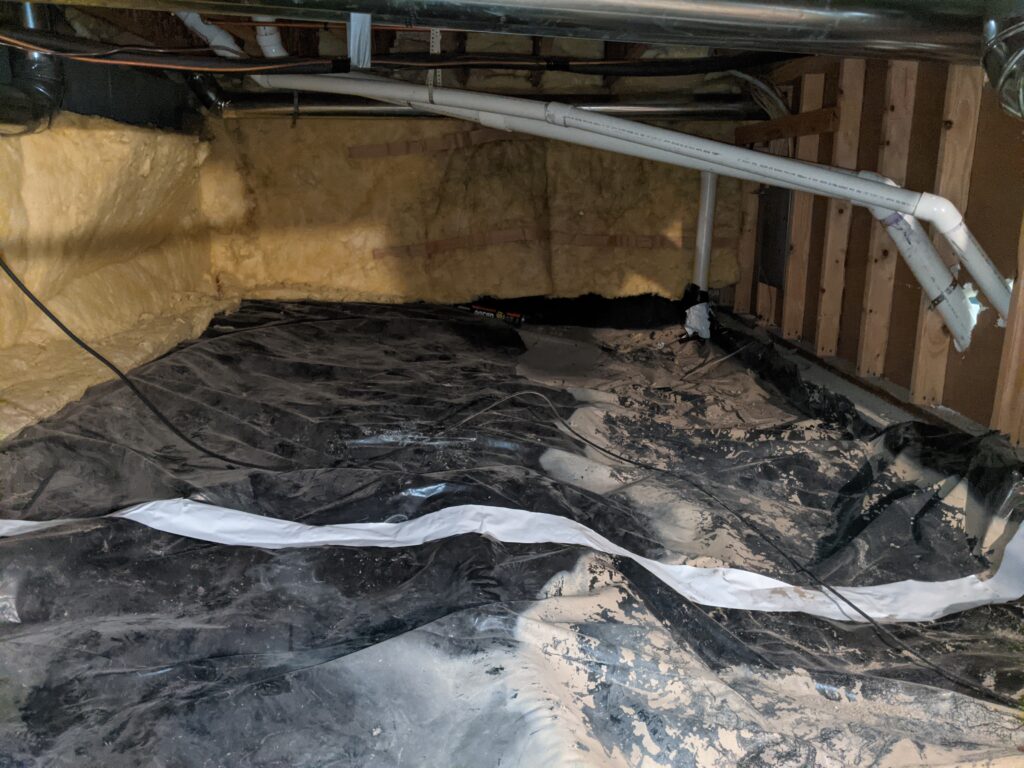
A mitigation system is designed to reduce the amount of gas that enters a building. It usually uses pipes and fans to draw soil gas from beneath the foundation and safely vent it outdoors. This lowers indoor concentrations significantly.
Large buildings often need custom designs because airflow and pressure differences vary across the structure. A good company will design a system that fits your building’s needs, not just a one‑size‑fits‑all approach.
Installation and Follow‑Up
Installation should be done by trained technicians who place the piping and fans with care. After installation, a follow‑up test confirms the system is working correctly. Professionals may recommend ongoing monitoring or periodic testing to make sure radon stays at safe levels.
This ongoing care helps protect occupants and gives building owners confidence in their investment.
Choosing a Local Company with Regional Knowledge
Radon levels vary by geography. Some areas have higher natural concentrations due to soil and rock composition. A mitigation team familiar with your region can better predict radon challenges and design tailored solutions.
Local knowledge also ensures that they know common foundation types and airflow patterns in your town or city. This regional insight improves accuracy and system performance.
Balancing Local Knowledge with Expertise
While local knowledge is helpful, full expertise in mitigation of science and building dynamics is most important. A good company combines regional experience and technical know‑how.
This helps ensure the work is done correctly, and that future testing validates its success.
References, Reviews, and Reputation
Before hiring, check reviews and ask for previous clients as references. Hearing from others who have worked with the company gives insight into how well they perform. A strong reputation is a good sign that they deliver quality work and stand behind it.
Online reviews and testimonials can help, but direct references from commercial clients are even more valuable. This helps you understand how a system worked for buildings like yours.
What to Look for in Reviews
Look for reviews that mention communication, reliability, and results. Good reviews often talk about how the team explained the process, answered questions, and followed up after installation.
If you see patterns of positive or negative comments, that helps you make a better choice.
Cost Considerations and Transparent Pricing
Radon control is an important investment in health and safety. While cost is a factor, it should never be the only one. Look for transparent pricing with clear breakdowns of services. Hidden fees or unclear estimates can lead to surprises later.
A reputable company provides a full written estimate before any work begins. This helps you understand what you are paying for and sets clear expectations.
Long‑Term Value Over Short‑Term Savings
Choosing low cost over quality can lead to systems that don’t work or need frequent repairs. A higher initial investment in quality services often saves money over time because the system works effectively and needs fewer adjustments.
Think of radon control as a long‑term health initiative, not a one‑time fix.
Importance of Follow‑Up and Long‑Term Monitoring
After installation, monitoring ensures the solution continues to work well. Changes to ventilation systems, temperature, or building use can affect radon levels. Regular check‑ups help catch issues before they become problems.
A company that offers follow‑up testing or monitoring plans demonstrates confidence in its work and care for the building’s long‑term safety.
How Often to Monitor
Most professionals recommend radon testing again within a few months after installation, and periodic checks every year or two after that. Frequent checks help show that radon levels stay in the safe range over time.
Consistent monitoring protects occupants and gives peace of mind to owners.
Red Flags to Avoid When Choosing a Provider
Some warning signs may include:
- Lack of certifications or training
- Vague answers about process or testing
- No written estimate or contract
- Poor or no references
If a company hesitates to provide clear details or documentation, take time to consider other options.
Choosing Safety and Transparency
Work with companies that prioritize clear communication and professional standards. When health is on the line, transparency and expertise matter most.
Benefits of Working with a Trusted Mitigation Company
Choosing the right team ensures accurate testing and effective reduction of radon gas. This protects people inside your property, supports healthy indoor air, and helps maintain building value over time.
Good companies also help you understand the results and keep you informed about long‑term maintenance. This creates confidence and trust.
Health, Safety, and Peace of Mind
A well‑chosen radon partner not only helps reduce gas levels but also improves overall indoor air quality. Building occupants feel safer, and owners can show they made wise decisions to protect people.
Conclusion
Choosing the right company to help with radon mitigation for your commercial property is a smart investment in safety and long‑term health. A trusted provider will offer accurate testing, well‑designed systems, clear pricing, and ongoing monitoring to make sure radon levels stay safe. By asking the right questions and checking credentials, you can find a team that delivers consistent results and supports your building over time. If you want expert help to assess radon levels and install a proven solution, contact us Colorado Radon Mitigation to start a professional, reliable path toward cleaner, safer indoor air today.
Frequently Asked Questions
Look for training, certifications, clear pricing, and positive references.
Installation usually takes a few hours to a day, depending on building size.
Yes, to ensure the system continues lowering radon levels correctly.
Radon cannot be eliminated entirely, but it can be reduced to safe levels.
After installation, testing is recommended yearly or every two years.