Radon is an invisible, odorless gas that comes from the ground and can be built indoors. In large commercial buildings, this gas can reach levels that may harm people’s health if not taken seriously. Preventing radon exposure helps protect workers, tenants, and visitors who spend long hours inside big structures. Since commercial radon exposure is linked to lung cancer by health experts, it’s important for building owners to know how to lower the risk and keep indoor air safe.
This article will explain how radon moves into buildings, why it is dangerous, how testing works, and the steps that can be taken to reduce radon to safe levels. You’ll learn about prevention plans, systems that lower radon, and how to pick up a professional team that knows how to protect large commercial spaces.
What Radon Is and Why It Matters
Radon is a gas that forms naturally when uranium breaks down in soil and rock. It moves through the ground and can enter buildings through cracks in floors, gaps around pipes, and holes in the foundation. Because radon is invisible and has no smell, people may not know it’s present unless they test it.
According to the U.S. Environmental Protection Agency, radon exposure is the second leading cause of lung cancer in the United States. Large buildings that host many people throughout the day make radon prevention especially important.
How Radon Enters Large Structures
Radon moves upward from the ground and enters buildings through the path of least resistance. In large commercial sites with many foundation points, the likelihood of entry increases. For example, basements, utility tunnels, and floor drains may allow soil gas to seep in.
Radon can also rise through elevator shafts and air ducts if the indoor air pressure is lower than outside. This imbalance draws more gas into space, making indoor radon levels higher than outdoor levels.
Health Risks of Radon Exposure
Breathing air with high radon levels over time increases the risk of lung cancer. The EPA estimates that radon causes thousands of deaths annually in the U.S., especially among people who smoke. While one test does not tell the full story for year‑round exposure, it provides a good starting point for identifying risk.
People who work or spend many hours inside commercial buildings may be more at risk if radon prevention steps are not taken. This makes it important to understand how to measure, reduce, and monitor radon levels over time.
Symptoms Linked to Radon Exposure
Radon exposure does not cause immediate symptoms like a cold or flu, which makes it hard to detect without testing. Over long periods of time, however, damaged lung cells can lead to serious illnesses. That’s why radon testing services are essential in large buildings where many people gather every day.
Importance of Radon Testing in Large Commercial Buildings
Testing radon is the first step toward preventing exposure. Without testing, building managers may not know if radon levels are within a safe range. Professional radon testing services use devices that measure radon concentrations in air over time. Tests can be short‑term (days) or long‑term (months), with long‑term tests giving a clearer picture of average exposure.
Testing should be done in multiple parts of large buildings, including offices, lobbies, meeting spaces, and basements. This ensures that areas with different airflow patterns are evaluated. After results are in, property owners can decide if radon reduction steps are needed.
What Tests Reveal
Radon test results are measured in picocuries per liter of air (pCi/L). The EPA recommends acting if radon levels are at or above 4 pCi/L. For large buildings, multiple results help experts design the best plan to reduce radon across the entire structure.
Regular testing every two years is recommended in spaces that have previously had elevated levels, especially if there have been changes to the building or HVAC system.
Practical Radon Prevention Measures
Once tests reveal elevated radon levels, prevention steps begin. One major approach is sealing cracks and gaps where soil gas may enter. While sealing alone may not bring radon down to safe levels in large buildings, it is a helpful part of an overall plan.
Improving ventilation can also help by pushing fresh air into the indoor space and lowering the concentration of radon over time. A mix of sealing and increased airflow helps improve indoor air quality and reduces radon exposure risks.
Reducing Soil Gas Entry
Professionals examine foundations, slabs, and walls to find common entry points. Once these are identified, sealing materials like caulk or epoxy may be applied. This helps reduce the amount of gas that enters but is most effective when combined with active reduction systems.
Commercial Systems That Reduce Radon
When sealing and ventilation are not enough, engineers may recommend installing a commercial radon mitigation system. These systems work by collecting radon gas from below the building slab or foundation and venting it safely outside before it enters occupied areas.
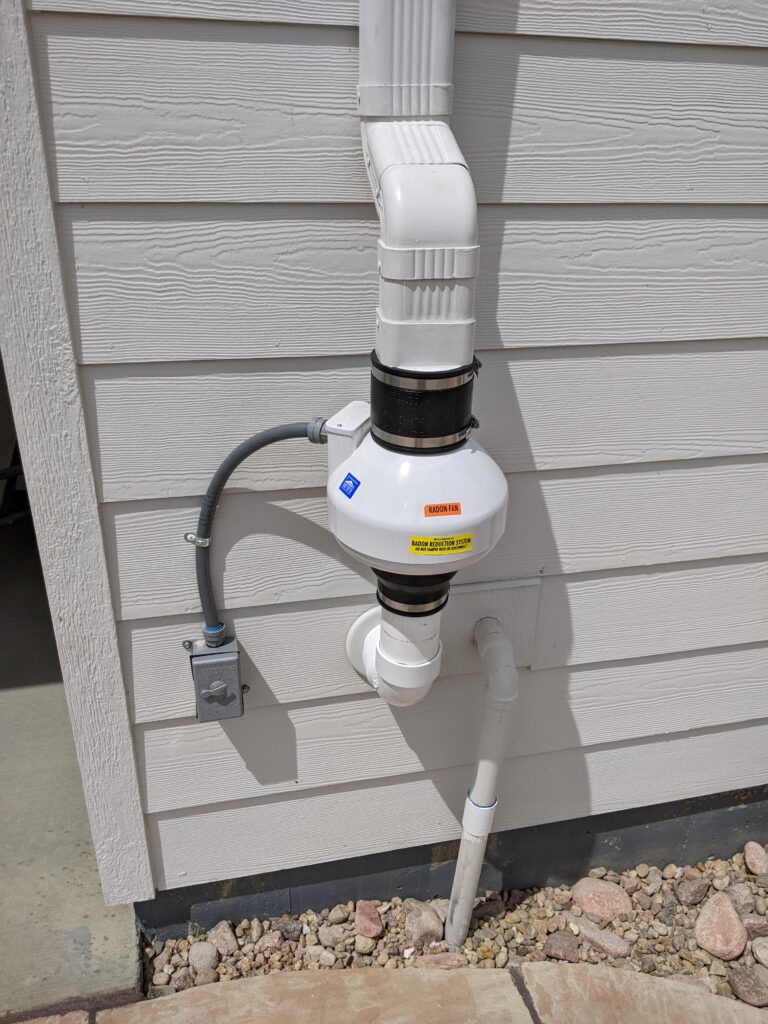
Radon mitigation systems include pipes, fans, and sometimes exhaust stacks placed on the roof. The system gently draws radon gas from beneath the building and moves it safely outdoors where it cannot accumulate.
How Mitigation Systems Work
A common method is called sub‑slab depressurization. A pipe is placed beneath the floor slab and connected to a fan. This fan creates a low‑pressure zone below the slab, drawing radon out from the soil before the gas reaches indoor air. The fan then pushes the gas safely above the roof so it disperses outdoors.
These systems are custom‑designed for each large building because airflow and foundation types differ. Experts consider basement design, slab thickness, and HVAC layout when planning a system.
The Role of Radon Mitigation Services
Hiring trained technicians ensures that prevention plans are effective. Radon mitigation services include testing, system design, installation, and follow‑up checks. Professionals know how to read results, plan systems, and predict how radon moves in large indoor spaces.
Choosing a qualified team means you get accurate data, proper equipment, and maintenance plans that help keep radon levels low year after year.
What to Expect from a Service Provider
A good provider will:
- Perform detailed testing throughout the building
- Explain test results in clear terms
- Design a mitigation plan tailored to that structure
- Install necessary equipment safely
- Provide follow‑up tests to confirm results
Service teams may also offer checks after weather changes or building renovations to ensure the system continues to work well.
Regular Monitoring and Maintenance
After a mitigation system is installed, regular monitoring is necessary to ensure that radon levels stay low. Systems can lose effectiveness over time if fans wear down or if changes in airflow occur due to HVAC updates or renovations.
Regular check‑ups, often once a year, help ensure ongoing protection. Some systems include monitors that show real‑time data, while others may depend on periodic professional testing.
Why Maintenance Matters
Without maintenance, a mitigation system may stop performing as well over time. Fans might weaken; vents could become blocked, or new entry paths for radon could form. Staying proactive helps building managers avoid future high radon levels.
Monitoring also gives tenants and employees peace of mind knowing that indoor air quality is being protected.
Radon Exposure and Worker Safety Standards
Many health agencies recommend keeping radon levels as low as reasonably achievable because any exposure carries some risk. When workers spend long hours in indoor spaces, reducing radon is part of a safe workplace plan.
Although radon standards for commercial spaces vary by region, many building owners choose to follow EPA guidelines and recommended practices to protect health and reduce liability.
Health and Legal Considerations
Some insurance providers and real estate transactions now consider radon exposure history. Lowering radon levels helps protect human health and can support smoother building sales or leases. When radon is controlled, it shows building owners are responsible and proactive.
Radon and Overall Indoor Air Quality
Radon is one of many indoor air quality issues, but it is unique because it comes from the ground. Other indoor air factors include humidity, dust, mold, and chemical pollutants. Controlling radon often pairs well with broader indoor air quality strategies like improved ventilation and filtration.
A healthy building plan may include regular air quality assessments that look at multiple factors, ensuring that indoor spaces are safe for everyone.
Combined Approaches to Clean Air
Combining radon prevention with proper HVAC maintenance, humidity control, and pollutant removal helps create healthier indoor environments. This benefits workers, tenants, and visitors alike by reducing risks from multiple sources.
Choosing the Right Radon Prevention Partner
Selecting a professional radon testing team to help prevent radon exposure is a key decision. Look for providers with experience in large commercial buildings, good reviews, and a clear plan for testing and system design. Knowledge, training, and local experience matter when protecting indoor air.
A strong team will guide you from testing through mitigation and follow‑up, offering peace of mind and measurable results.
Questions to Ask Before Hiring
When evaluating a provider, consider asking:
- How many large commercial buildings have you worked with?
- What testing methods do you use?
- Do you offer long‑term monitoring plans?
- Can you provide references from similar projects?
Answers to these questions help ensure you are getting knowledgeable support for your prevention plan.
Benefits of Preventing Radon Exposure
Keeping radon levels low in large commercial buildings protects health and enhances comfort. When employees feel safe and breathe clean air, they can be more productive. Tenants also appreciate structures that are monitored and cared for.
Preventing radon exposure may also support longer building life, lower maintenance costs over time, and fewer health‑related concerns among building users.
Positive Outcomes for Property Owners
For property owners, managing indoor air quality builds a strong reputation and increases building value. Prevention shows tenants and workers that safety matters, which can support tenant retention and employee satisfaction.
Conclusion
Preventing radon exposure in large commercial buildings is vital for the health and safety of everyone who spends time indoors. Since radon cannot be seen or smelled, testing is the only way to know if levels are safe. Combining testing with preventive measures and mitigation systems protects workers, tenants, visitors, and property owners over the long term. A well‑designed prevention plan improves indoor air quality and supports overall building safety. If you want expert help in assessing and reducing radon levels in your commercial space, contact us Colorado Radon Mitigation today to begin a smart prevention strategy that keeps indoor air cleaner, safer, and more comfortable for all.
Frequently Asked Questions
Experts recommend taking action at 4 picocuries per liter (pCi/L) or higher.
Annual testing or every two years is suggested, especially if a mitigation system is installed.
No. Radon cannot be fully eliminated, but it can be reduced to safe levels.
With proper maintenance, systems can work effectively for many years.
Yes. Changes in temperature and pressure can influence how radon enters buildings.