Radon is an invisible, odourless gas that can quietly threaten your home. In Colorado, many houses have radon levels above federal health guidelines, making testing crucial to protect your family. Because radon comes from soil beneath your home and can enter through cracks or openings, it can build up indoors to dangerous amounts without notice. Testing is the only way to know if your home has elevated radon levels so you can act before it harms anyone’s health.
In this article, we explore what radon is, why it presents a risk in Colorado, how tests work, and what families can do to reduce exposure. We’ll also cover simple testing options, when mitigation may be needed, and how professional help supports long-term safety. Understanding these points helps you create a healthier home environment.
What Is Radon and How Does It Affect Your Home?
Radon is a naturally occurring radioactive gas produced when uranium in rocks and soil breaks down deep underground. Because it is colourless, tasteless, and odourless, people can’t detect it without testing. It moves up from the ground and can seep through tiny cracks in foundations, floors, and walls into homes, where it may build up if not properly ventilated.
Once radon enters a home, it can remain trapped and cause indoor air quality to worsen. Long-term breathing of radon‑laden air increases the risk of lung cancer because radioactive particles damage lung tissue over time. This makes radon testing critical in homes where people spend many hours daily.
Why Radon Is a Special Concern in Colorado
Colorado’s soil and geology make this state especially vulnerable to radon risk Colorado soil. Colorado’s rocks and soil often contain uranium, which breaks down to release radon. Testing data shows that about half of all Colorado homes have radon levels above the EPA’s recommended action level of 4.0 picocuries per litre (pCi/L).
Living in an area with high radon potential means many homes may unknowingly trap dangerous air. Radon exposure has been linked to hundreds of lung cancer deaths in Colorado each year, even among people who have never smoked. Because radon levels vary significantly from house to house, only testing can reveal your home’s specific risk.
How Radon Enters Your House
Radon comes from soil, rock, and water beneath your home. It travels upward through the ground and enters buildings through cracks in concrete floors, gaps around pipes, foundation openings, or even through crawlspace vents. Because it mixes with indoor air, radon can accumulate, especially in lower areas like basements or ground floors.
Homes that are tightly sealed for energy efficiency can trap more radon indoors. Even homes without basements can have elevated levels because radon moves freely through soil and openings. The only reliable way to know if radon has entered your home is with a test that measures the amount of radon in your indoor air.
The Health Risks of Radon Exposure
Long-term radon exposure is linked to serious health effects because radioactive particles can damage cells in the lungs over time. Radon is recognized as the second leading cause of lung cancer in the United States, and it is the leading cause among people who have never smoked.
Radon exposure does not cause immediate symptoms, so people may live with harmful levels for years without knowing it. Lung cancer risk rises with higher radon concentrations and with longer exposure. This risk factor makes it important to understand your home’s radon levels and take action to reduce exposure if needed.
Simple Ways to Test for Radon
Radon testing is the only reliable method to know if your home has elevated levels. Tests can be done with inexpensive kits available online or at hardware stores, or by hiring professionals to measure indoor concentrations accurately. Typical tests may be short‑term (a few days) or long‑term (several months), with long‑term tests giving an average level that reflects changing conditions.
In many Denver households, radon testing Denver services provide both quick screening and detailed assessments. Testing devices are placed in the lowest lived‑in area of the home and left for the required period according to kit instructions. After testing, results are analysed to determine whether mitigation is needed. You can also visit various online sources to get more information about radon mitigation services.
Interpreting Radon Test Results
Radon levels are measured in picocuries per liter (pCi/L). The EPA recommends that homes with radon levels at or above 4.0 pCi/L take action to reduce those levels. However, lower concentrations still carry some risk, and reducing radon as much as reasonably possible is best for long‑term health.
Because radon levels can vary with season, weather, and ventilation, testing at different times or repeating the test can provide a better picture of average exposure. If test results indicate high radon, mitigation methods can help lower levels and improve indoor air quality.
What Happens After High Radon Is Found?
When test results show elevated radon, the next step is mitigation to reduce indoor concentrations and protect health. Radon mitigation techniques vary depending on home construction but are effective at lowering levels permanently. Professional Radon Mitigation Installation ensures that mitigation systems are designed correctly and meet safety requirements.
The most common approach involves venting radon gas away from the home before it enters living spaces, which helps protect everyone who spends time indoors.
How Radon Mitigation Systems Work
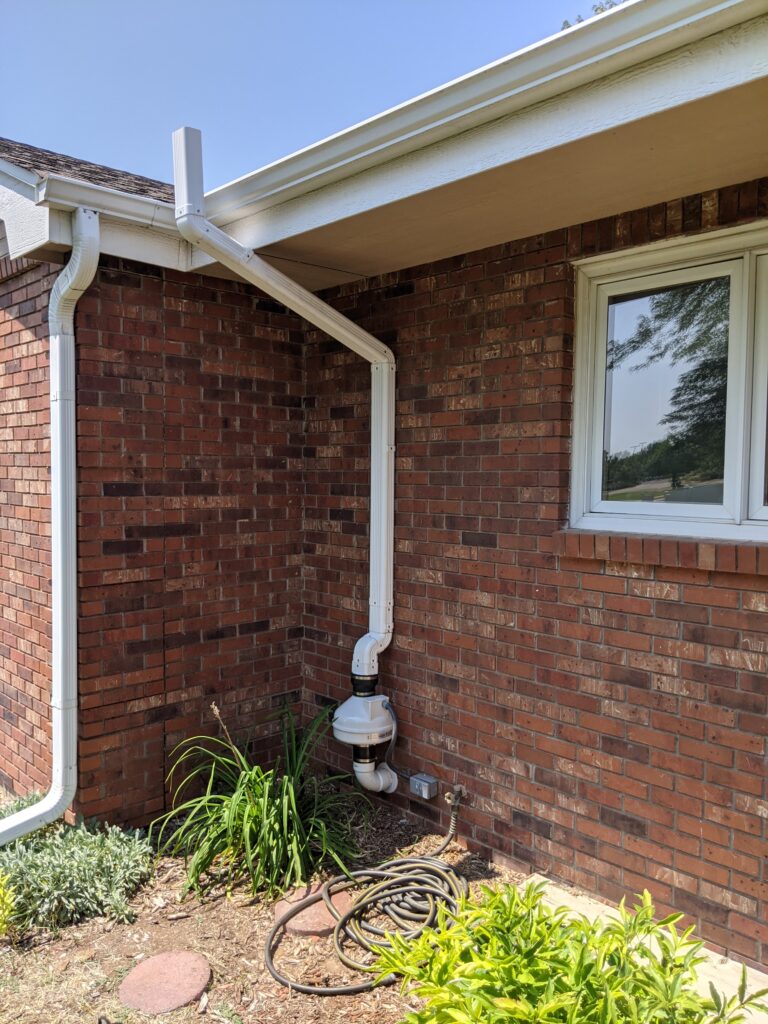
Radon mitigation systems are designed to redirect gas from beneath your home and safely release it outdoors. In many homes, a system draws radon from below the foundation through a sealed pipe, then vents it above roof level so it can mix with outdoor air without entering the house. This method is central to both residential radon mitigation system protections and larger building strategies.
Commercial settings may use a tailored design, such as a commercial radon mitigation system, to handle greater air volumes and larger foundation areas. These systems serve buildings like offices, schools, or multi‑unit housing, where controlling indoor air quality protects many occupants.
Radon and Indoor Air Quality
High indoor radon levels directly affect indoor air quality because radon molecules mix easily with the air you breathe daily. Poor indoor air quality contributes to health problems over time, including increased risk for respiratory diseases and lung cancer. Because radon is invisible and odourless, testing is the only way to know whether indoor air is safe in your home.
Regular testing, combined with mitigation if needed, can keep your air healthy and reduce long‑term risk for your family.
The Role of Professional Help
Professional mitigation specialists understand how to assess foundations, airflow, and ventilation patterns to design effective systems. Calling a trained expert can ensure Testing and Installing a Radon Mitigation System is done correctly, reducing guesswork and helping the system perform as expected. Licensed technicians follow health guidelines and local standards to protect homes safely.
Even after mitigation, periodic retesting is advisable to confirm that radon levels remain low and protection continues.
Preventive Action and Long‑Term Health
Taking action to test and reduce radon levels is preventive care for your home. Unlike visible hazards that you can see or smell, radon lurks unseen. Without proper measures, radon can remain at high levels for years. Annual or biannual testing can help you stay ahead of changes in radon concentration and protect long‑term health.
Parents, young children, and older adults may be more sensitive to indoor air pollutants, so testing becomes especially important in homes with vulnerable family members.
Conclusion
Understanding why test for radon Colorado homes is key to protecting your family’s health and the quality of your indoor air. Because radon is invisible and has no smell or taste, only testing can reveal dangerous levels and guide action. When elevated radon is found, testing and mitigation steps help reduce long‑term health risks and create a safer environment for everyone in the house. Don’t wait—schedule a radon test today and consider professional mitigation if needed so your family can live in healthier air for years to come.
Frequently Asked Questions
Radon is a radioactive gas that comes from the natural breakdown of uranium in soil, rock, and water. It is invisible, odourless, and can seep into homes through cracks and gaps.
Homes should be tested at least every two to five years, especially if changes like renovations or foundation work occur. More frequent testing helps track levels over time.
Yes. Radon can enter through any foundation type, including slab and crawlspace homes, because the gas moves from soil into the air regardless of foundation style.
No. Radon exposure does not produce early symptoms. Risk comes from long‑term breathing of high levels, which can damage lung tissue and increase cancer risk.
Once mitigation is installed, radon levels can drop within days. However, professional verification and follow‑up testing help ensure continued safety.