Radon is a serious health concern that often goes unnoticed because it is colourless, odourless, and tasteless. In Colorado, radon is especially widespread due to local soils and geology, making mitigation a key part of protecting your family’s respiratory health and long-term wellbeing. Without testing and mitigation, radon can build up indoors to levels that significantly increase the risk of lung cancer over time. Installing effective systems and understanding how radon enters your home are important steps toward a safer living environment in your community.
This comprehensive guide explores why radon mitigation matters, how systems work, and how testing and installation can safeguard your home. We also cover the most common methods used, when you may need different approaches, and how professional installation helps ensure your home is safe for everyone who lives there.
What Radon Is and Why It Matters
Radon is a naturally occurring radioactive gas that is formed when uranium in soil and rock breaks down. Because it comes from the ground, radon can enter buildings through small cracks, gaps, and openings in foundations, slab floors, and crawlspaces. Radon becomes a health concern when it accumulates to high levels indoors where people spend most of their time. It is the second leading cause of lung cancer in the United States, and in Colorado about half of all homes record elevated levels above the EPA’s action threshold of 4.0 picocuries per liter (pCi/L).
The health risk from long-term radon exposure is serious because radioactive particles released by the gas can damage lung cells. Because radon cannot be detected with the senses, testing is the only reliable way to know your home’s levels and act if mitigation is needed.
Understanding Radon Risk in Colorado Homes
Colorado’s geography and soil conditions contribute to high indoor radon levels across the state. All 64 Colorado counties are considered high-risk areas where radon may exceed the EPA action level, and average indoor radon concentrations in Colorado are significantly higher than the national average.
Radon exposure is estimated to cause about 21,000 lung cancer deaths nationwide each year, and roughly 500 of those deaths occur in Colorado alone. This makes radon a leading environmental health risk, especially in residential buildings where people spend large amounts of time breathing indoor air. Because risk varies even between neighbouring homes, testing every residence is highly recommended.
The Importance of Radon Testing
The first step in protecting your home from radon is to test it. Radon testing can be done with simple kits available at hardware stores or through professional measurement services. Testing identifies whether your home’s radon levels exceed recommended safety thresholds so that appropriate action can be taken. When high levels are detected, mitigation systems are used to lower concentrations and improve indoor air quality.
Radon testing Denver residents rely on often includes both short-term and long-term options. Short-term tests last a few days and provide quick results, while long-term tests capture data over months to show more representative exposure levels. Testing should be repeated periodically because radon levels can change due to shifts in ventilation, weather, or structural changes in the home.
Residential Radon Mitigation Colorado: What It Means
Residential radon mitigation Colorado projects are designed to reduce indoor radon levels and protect families from long-term health risks. A mitigation system works by preventing radon from entering the living space or by removing it before it accumulates. These systems are tailored to each home based on its foundation type, existing ventilation, and radon distribution patterns.
States like Colorado now require radon professionals to be licensed to perform measurement and mitigation work, ensuring that testing and mitigation services meet established safety standards. Licensing helps homeowners trust that installations are done correctly and in compliance with health guidelines.
How Radon Enters Your Home
Radon typically seeps into homes through the ground and foundation. Small openings around pipes, cracks in concrete slabs, unfinished block walls, and crawlspaces provide pathways for radon gas to enter indoor air. Once inside, radon can accumulate to dangerous levels if air is not properly vented or if the home is poorly sealed.
Different foundation types—such as slab-on-grade, basement, or crawlspace—affect how radon moves. Crawlspaces and slab-on-grade floors are especially prone to radon entry because they may allow air movement from soil into the home. Addressing these entry points is a major part of effective mitigation.
Sub-Slab Depressurization and How It Works
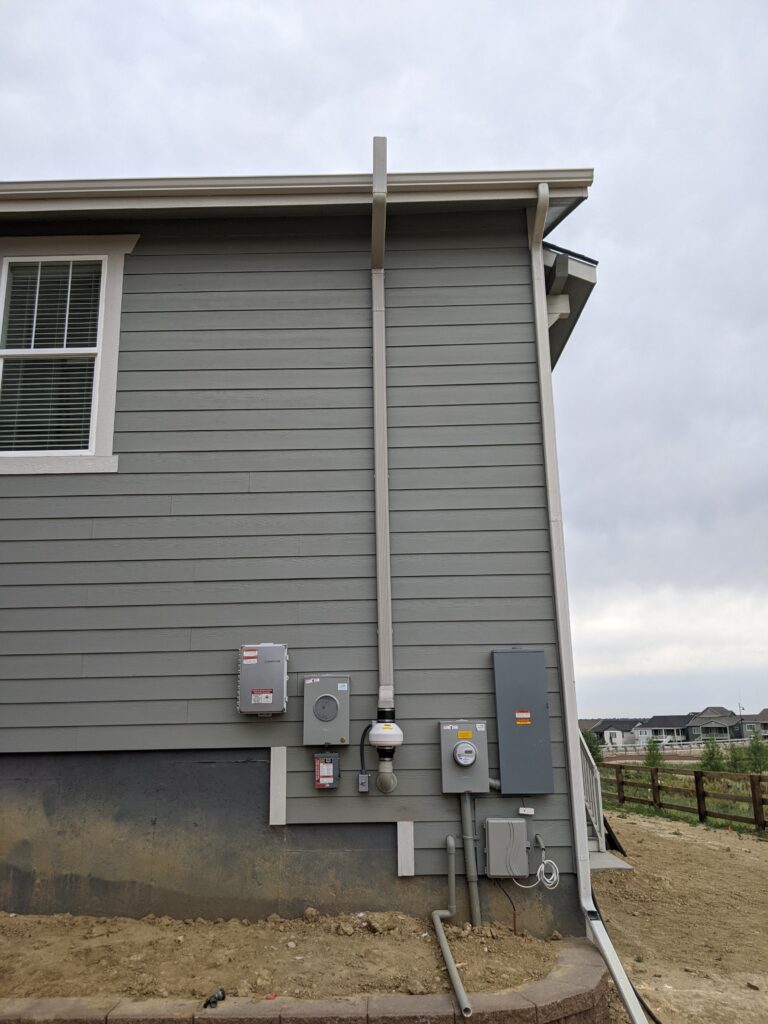
Sub-slab depressurization is one of the most effective methods for reducing radon levels in homes with concrete slabs or basement floors. This technique works by creating a vacuum beneath the slab, which draws radon gas from the soil before it can enter the living spaces. A suction pipe is inserted through the slab into the soil beneath, and a fan continuously pulls radon-laden air up through the pipe and safely vents it above the roofline.
This system is highly efficient because it prevents radon from accumulating indoors, lowering concentrations by up to 99% when properly installed. Sub-slab depressurization is suitable for many types of homes, especially in high-risk radon areas like Colorado. It also helps improve indoor air quality by reducing not only radon but other soil gases that may seep into the home. Regular monitoring and professional maintenance ensure that the system continues to operate effectively over time, protecting your family’s long-term health.
What Sub-Slab Depressurization Does
Sub-slab depressurization is one of the most common and effective radon reduction methods. This technique works by creating lower pressure beneath a concrete slab or foundation so that radon gas is drawn away from the home rather than into it. A pipe is placed through the slab into the soil beneath, and a fan continuously pulls radon-laden air from under the slab and releases it safely above the roofline. This helps ensure radon does not enter indoor living spaces.
This method is often chosen because it can reduce radon levels by up to 99% when properly installed and maintained. It is suitable for homes with slab floors or poured concrete foundations and is widely used throughout radon risk areas in Colorado.
Crawlspace Mitigation: Tailoring the Approach
Homes with crawlspaces require a slightly different radon mitigation strategy because radon can travel into the house from many points beneath the floor. In a crawlspace, soil and dirt are directly exposed to the air under your home, which makes it easier for radon gas to move upward into living areas. Crawlspace mitigation focuses on sealing the soil and preventing radon gas from entering, while also providing a path for the gas to safely escape outside.
How Crawlspace Mitigation Helps
Homes with crawlspaces need different mitigation strategies because a simple slab system might not fully address gas infiltration from open soil beneath the floor. Crawlspace mitigation typically involves sealing the soil with a vapor barrier and installing a dedicated ventilation or suction system that draws radon gas out from under the crawlspace floor. This prevents radon from diffusing into the living area above.
When paired with proper sealing of crawlspace vents and gaps, this method can significantly lower indoor radon levels and improve air quality throughout the home.
Components of a Residential Radon Mitigation System
A typical residential radon mitigation system may include:
A suction point or suction pipe installed into the soil or slab layer
A vent pipe that leads radon gas up and out of the home
An electric fan to maintain consistent air movement
Sealing materials to close cracks and openings in the foundation
These elements work together to reduce radon levels by removing gas from beneath the foundation and dispersing it safely outside.
Professional Radon Mitigation Installation Matters
Getting the system installed by a trained professional is important for both effectiveness and safety. Licensed radon mitigation technicians understand how to evaluate foundation types, airflow patterns, and home layouts to design the right solution. Professional Radon Mitigation Installation ensures that systems are tailored to your specific needs and meet code requirements.
Professionals also perform follow-up testing to confirm that radon levels have dropped to acceptable levels after installation. This step is essential because improper installation or missed entry points can allow radon to continue entering the home.
What to Expect During Mitigation
When you arrange for testing and installation of a radon mitigation system, technicians usually start by assessing your home’s layout and radon levels. They will identify the best locations for suction points and evaluate where to place venting pipes. Once the system is installed, they will test it to verify performance and provide instructions for maintenance.
For many homeowners, the installation process takes only a few hours and can be completed with minimal disruption to daily life.
Costs and Long-Term Maintenance
The cost of installing a residential mitigation system varies depending on the home’s size, foundation type, and the complexity of the solution. Crawlspace systems may cost more due to additional materials and labour. However, the long-term benefit of reducing health risks and improving indoor air quality often outweighs the initial investment.
Once installed, systems require periodic checks to ensure fans are working properly and seals remain intact. Regular retesting every two years is recommended to confirm that radon levels stay low.
What About Commercial Radon Mitigation System Needs?
While this article focuses on homes, radon can also build up in commercial buildings, schools, and workplaces. A commercial radon mitigation system follows similar principles but is scaled for larger structures and may involve more complex ventilation and multiple suction points. Addressing radon in workplaces helps protect employees, customers, and community members from long-term health risks.
How to Choose a Radon Professional
When selecting a radon professional, it is important to choose someone licensed and experienced in local mitigation requirements. A qualified expert will:
Explain testing and mitigation options clearly
Customize a system based on your home’s layout
Follow all safety and licensing guidelines
Perform post-installation testing to ensure success
Checking credentials and references helps ensure you receive reliable service that protects your home and family.
Conclusion
Protecting your home from radon is an important step in safeguarding your family’s long-term health. By accurately testing indoor levels and investing in residential radon mitigation systems, you reduce the risk of dangerous exposure and create a safer living space. Professionals who focus on proper testing and Installing a Radon Mitigation System help ensure that solutions are tailored to your home’s needs and built to last. Act today by scheduling a radon test and considering professional mitigation services, so your loved ones can breathe cleaner, healthier air for years to come.
Frequently Asked Questions
A home needs mitigation if radon testing—with a do-it-yourself kit or professional measurement—shows levels at or above 4.0 pCi/L. Some professionals suggest considering mitigation even above 2.0 pCi/L for long-term health benefits.
Testing should occur at least every two years if a mitigation system is installed and every five years if there is no system. Retesting ensures that levels have not increased due to changes in home structure or ventilation.
While some simple systems may be installed by experienced DIYers, professional installation is recommended because licensed technicians are trained to design systems that meet safety standards and effectively reduce levels based on foundation and building conditions.
Yes, most active systems use a fan powered by electricity to create suction and vent gas outside. Proper fan installation and wiring are part of professional mitigation services to ensure consistent performance.
Costs vary based on foundation type and system complexity. Simple slab systems tend to be less expensive than those requiring crawlspace mitigation. The value of reduced health risks and improved air quality typically outweighs the initial cost.