Radon is a colorless, odorless gas that naturally occurs in soil and rock. High levels of radon in homes can pose serious health risks, making mitigation essential for homeowners and commercial property managers alike.
Whether you’re dealing with a residential property or a commercial building, understanding the radon mitigation process can help you feel prepared and confident in the safety of your environment.
In this guide, we’ll walk you through what to expect during a professional radon mitigation installation, including key steps, timelines, and tips for both homeowners and business owners.
Understanding Radon and the Need for Mitigation
Radon is a naturally occurring radioactive gas that can seep into homes and buildings through cracks in foundations, gaps around pipes, and other openings.
Prolonged exposure to elevated radon levels increases the risk of lung cancer, making it the second leading cause of lung cancer after smoking.
Why mitigation matters:
- Protects the health of residents and employees
- Ensures compliance with local safety regulations
- Improves property value and buyer confidence
Professional mitigation is essential for both residential radon mitigation and commercial radon mitigation projects. Each requires careful planning and specialized equipment.
Step 1: Initial Radon Testing
Before any mitigation system is installed, a professional radon test is conducted to determine the radon levels in your home or building. This is often referred to as radon testing Denver Colorado for properties in the area.
What to expect during testing:
- Short-term testing (2–7 days) or long-term testing (90+ days)
- Placement of test kits in key areas, usually basements or ground floors
- Minimal disruption to daily activities
- Professional analysis of results
Accurate testing is the first critical step in deciding whether a mitigation system is necessary.
Step 2: Assessment and System Design
Once the radon levels are confirmed, a mitigation professional will assess your property to determine the most effective system. Factors considered include:
- Foundation type (slab, crawlspace, or basement)
- Size of the property and number of floors
- Access points for piping and ventilation
- Local building codes and safety regulations
Residential radon mitigation typically involves a system designed for single-family homes, while commercial radon mitigation may require more complex setups for larger buildings.
Step 3: Preparing the Property
Before installation begins, the professional will prepare the property by:
- Clearing areas near the foundation or crawlspace
- Identifying and sealing major radon entry points
- Ensuring safety measures are in place for both workers and residents
Proper preparation ensures the installation is smooth, safe, and efficient.
Step 4: Installation of the Mitigation System
The installation process is the core part of radon mitigation. Here’s what generally happens:
Key components installed:
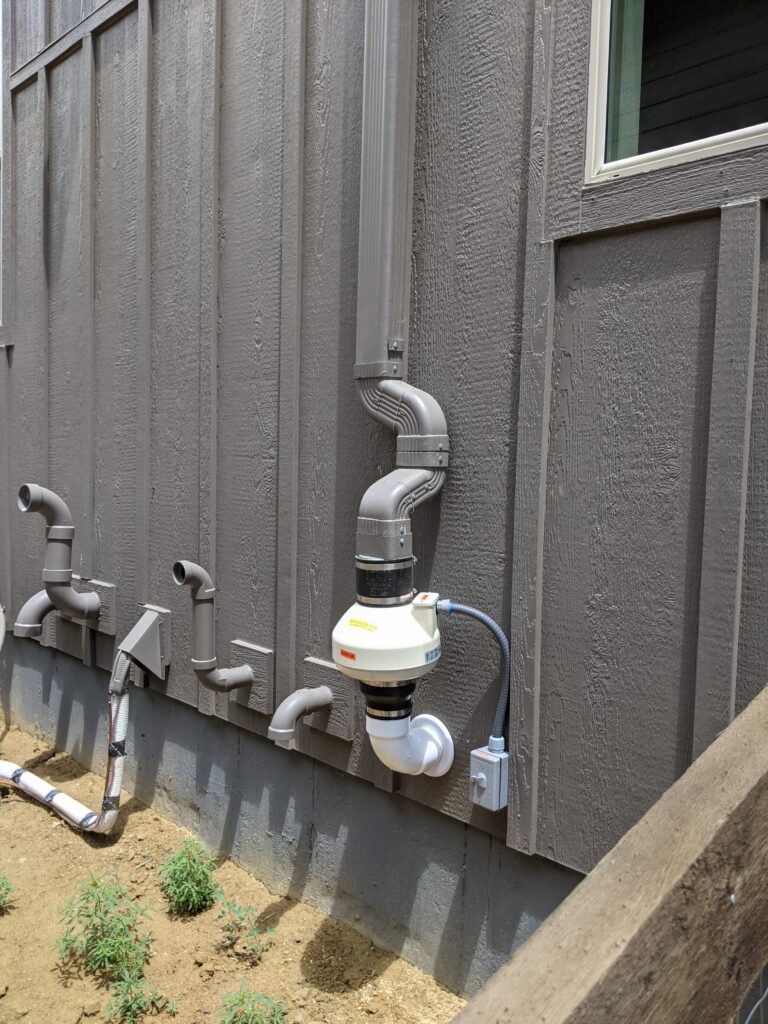
- PVC piping to vent radon gas from below the foundation to above the roof
- A vent fan that continuously moves radon out of the building
- Sealing of major cracks and openings to prevent gas entry
Timeline:
- Residential installations usually take 4–8 hours
- Larger commercial installations may take 1–3 days depending on building size and complexity
Important notes:
- Most installations are done without major disruptions to your daily life
- The system is designed to operate quietly and efficiently
Step 5: Post-Installation Testing and Monitoring
After the system is installed, the professional will perform a follow-up test to ensure radon levels are reduced to safe levels (below 4 pCi/L in the U.S.).
What to expect:
- Short-term testing immediately after installation
- Some homeowners may opt for long-term monitoring
- Professional advice on system maintenance and inspection frequency
Monitoring ensures your family or employees remain protected over time.
Benefits of Professional Radon Mitigation
Hiring a professional for residential radon mitigation or commercial radon mitigation provides several benefits:
- Guaranteed compliance with safety standards
- Properly designed and installed systems for long-term effectiveness
- Peace of mind knowing your indoor air quality is safe
- Increased property value for potential buyers
Tips for Homeowners During Installation
- Keep children and pets away from work areas
- Plan for minor furniture relocation if needed
- Ask the professional about system maintenance schedules
- Keep all documentation for future property inspections or sales
Conclusion
Radon mitigation is a critical step in protecting the health of everyone in your home or business. By understanding the process, from radon testing Denver Colorado to system installation and monitoring, you can ensure a safe and compliant environment. Whether it’s a residential radon mitigation project or commercial radon mitigation, professional installation guarantees long-term effectiveness. Don’t wait—schedule a consultation with a certified radon professional today to safeguard your property and loved ones.
Frequently Asked Questions (FAQs)
1. How long does a radon mitigation installation take?
Residential installations usually take 4–8 hours, while larger commercial systems may take 1–3 days depending on the property size.
2. Is radon mitigation loud or disruptive?
Modern systems are designed to operate quietly. Installation may require minor furniture movement, but disruptions are minimal.
3. How often should radon levels be retested?
It’s recommended to test your property every 2 years, or sooner if major renovations occur. Long-term monitors can provide ongoing safety data.
4. Can I do radon mitigation myself?
DIY radon mitigation is not recommended. Professionals ensure proper system design, installation, and compliance with local regulations.
5. Does mitigation work for both residential and commercial buildings?
Yes. Systems are tailored to the building type. Residential mitigation handles single-family homes, while commercial mitigation addresses larger structures and multiple floors.