Radon is a silent threat that can infiltrate homes and commercial buildings without notice. This naturally occurring radioactive gas is colorless, odorless, and tasteless, making it difficult to detect without professional testing.
Long-term exposure to elevated radon levels is a serious health risk, linked to lung cancer and other respiratory problems. Understanding how to spot the need for radon mitigation is essential for homeowners, landlords, and commercial property managers.
This guide will walk you through warning signs, testing methods, mitigation processes, and actionable steps to protect your property and loved ones.
Understanding Radon and Its Risks
Radon forms naturally when uranium in soil and rock breaks down. It can seep into homes through:
- Cracks in foundations or walls
- Gaps around pipes and drains
- Crawlspaces and basements
Even homes that appear well-sealed can have dangerous radon levels. According to the EPA, radon exposure is the second leading cause of lung cancer in the United States. Why you should act:
- Protect residents or tenants from health risks
- Maintain property value
- Ensure compliance with local building and safety codes
Key Warning Signs Your Home May Need Radon Mitigation
While radon cannot be detected with senses alone, there are indirect indicators that may suggest elevated radon levels:
- History of Radon in the Area
If your neighborhood has known radon issues, your property may be at risk.
- Cracks and Gaps in Foundation
Cracks, gaps, or openings in your foundation or basement are common entry points for radon gas.
- High Humidity or Poor Ventilation
Basements or crawlspaces that are damp and poorly ventilated can trap radon gas, increasing its concentration.
- Previous Testing Results
If prior radon tests showed elevated levels, ongoing monitoring or residential mitigation is necessary.
- Health Concerns Among Residents
Although non-specific, respiratory issues like chronic coughing or breathing difficulties in multiple household members may prompt radon testing.
The Importance of Professional Radon Testing
The most reliable way to detect radon is through professional testing. For Denver properties, this often involves radon testing in Denver Colorado.
Types of testing:
- Short-term testing: Lasts 2–7 days, often using charcoal canisters or electronic monitors.
- Long-term testing: Over 90 days provides more accurate annual exposure averages.
Professional testing is crucial for both residential radon mitigation and commercial radon mitigation projects, ensuring accurate readings before deciding on mitigation solutions.
Residential vs. Commercial Radon Mitigation
The mitigation approach depends on the property type:
Residential Radon Mitigation:
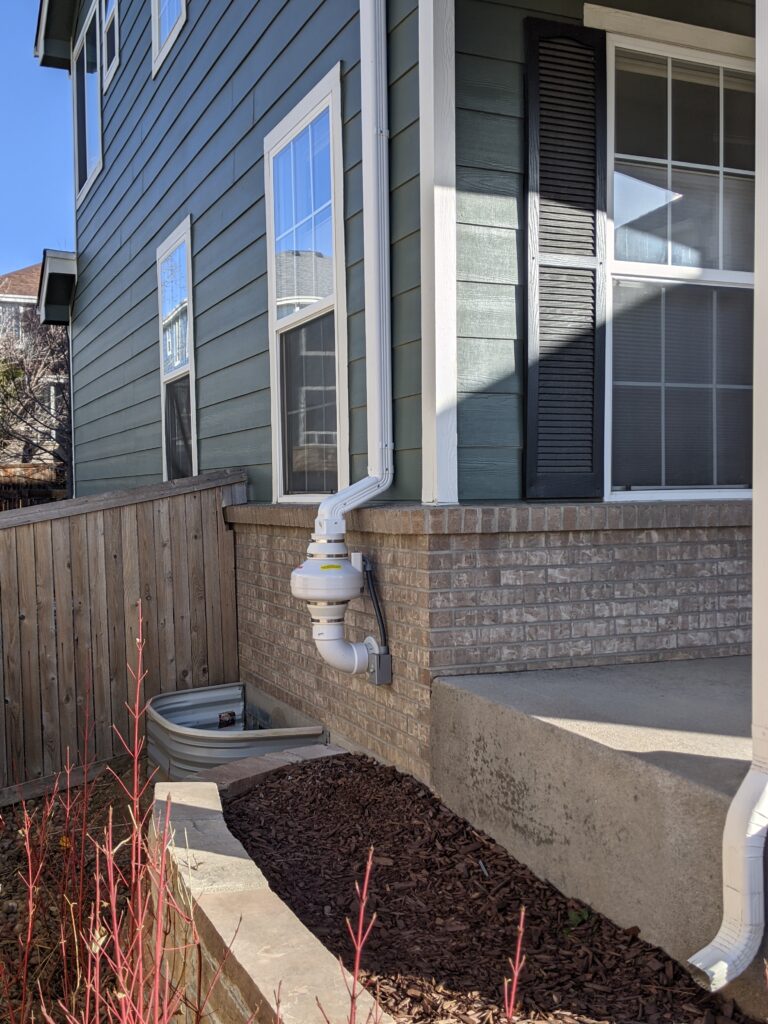
- Typically involves installing a vent pipe and fan system to draw radon from beneath the foundation to the outside.
- Usually completed within a few hours to a single day.
Commercial Radon Mitigation:
- Larger buildings require more complex systems, multiple fans, and extensive piping.
- Installation may take several days depending on the building size and structure.
Both approaches aim to reduce radon levels below the EPA recommended action level of 4 pCi/L.
Steps Involved in Professional Radon Mitigation
Understanding the process helps homeowners and property managers prepare for installation:
- Assessment and System Design
A professional inspects the property, identifies radon entry points, and customizes a mitigation plan.
- Property Preparation
Work areas are cleared, and major cracks or openings may be sealed. Safety measures are put in place.
- System Installation
- PVC piping is installed to vent radon outside.
- A fan is added to maintain constant airflow.
- Any additional sealing and adjustments are completed for efficiency.
- Post-Installation Testing
Follow-up testing ensures the mitigation system effectively reduces radon levels.
- Ongoing Monitoring
Regular checks and occasional re-testing maintain safe indoor air quality.
Benefits of Radon Mitigation
Installing a professional system provides multiple benefits:
- Protects the health of residents or employees
- Reduces liability for landlords and commercial property owners
- Ensures compliance with regulations
- Maintains property value and buyer confidence
Professional services, including radon mitigation Denver, offer peace of mind and long-term protection.
Tips for Homeowners During Mitigation
- Keep children and pets away from work areas
- Temporarily relocate furniture if needed
- Ask the professional about maintenance schedules
- Keep documentation of testing and installation for future reference
Conclusion
Radon is a hidden danger that requires proactive attention. By spotting warning signs, conducting professional radon testing Denver Colorado, and installing residential radon mitigation or commercial radon mitigation systems, property owners can safeguard the health of occupants and ensure compliance with safety regulations. Don’t wait until radon becomes a serious risk, schedule a consultation with a certified mitigation professional today to protect your home or business.
Frequently Asked Questions (FAQs)
1. How long does radon mitigation installation take?
Residential systems typically take 4–8 hours, while commercial systems may require 1–3 days depending on size.
2. Can I detect radon without professional testing?
No. Radon is colorless and odorless. Professional testing is the only reliable way to determine levels.
3. How often should radon levels be retested?
Testing is recommended every 2 years, or after major renovations. Long-term monitors provide ongoing safety tracking.
4. Is radon mitigation noisy?
Modern systems are designed to operate quietly. The installation process may involve minor disruptions, but it is generally smooth.
5. Does radon mitigation work for both residential and commercial properties?
Yes. Residential mitigation targets single-family homes, while commercial mitigation handles larger buildings with multiple floors.