Radon is a naturally occurring gas that can enter homes through the ground without any warning signs. It is invisible, odorless, and tasteless, which makes it impossible to detect without proper testing. In Colorado, where radon levels are among the highest in the United States, new homes must be designed with safety in mind from the very beginning.
Building a home today is not just about design and comfort. It is also about long-term health protection. That is why new construction radon mitigation CO is becoming an essential part of modern building practices. By planning ahead, builders and homeowners can prevent radon problems before they even start.
A radon-ready home is built with systems that reduce radon entry from the ground. These homes are safer, healthier, and more cost-effective in the long run. Instead of fixing problems later, prevention is built into the structure itself, making them true future-proof homes.
Understanding Radon in New Homes
Radon enters buildings from soil and rock beneath the foundation. When a home is built, small openings and natural pressure differences allow gas to move upward into living spaces. This process happens silently and continuously over time.
According to the U.S. Environmental Protection Agency, radon is the second leading cause of lung cancer in the country. It is responsible for about 21,000 deaths each year. This makes early prevention extremely important, especially in high-risk states like Colorado.
In new homes, radon levels can still become high if proper construction methods are not used. That is why radon-resistant construction is now strongly recommended in many building guidelines.
Why Colorado Homes Are at Higher Risk
Colorado has naturally high radon levels due to its geological structure. The soil contains uranium-rich rock formations that release radon gas as they break down. This gas moves upward and can enter any structure built above it.
Studies show that nearly half of homes tested in Colorado exceed safe radon levels. This includes newly built homes, which means construction quality alone does not guarantee protection.
Because of this, radon testing Colorado is recommended even for new homes after construction is complete. Testing ensures that preventive systems are working correctly and keeping indoor air safe.
What Is Radon Resistant for New Construction?
Radon-resistant new construction is a building approach that prevents radon from entering homes during the construction phase. Instead of fixing the issue later, builders install systems that block and redirect radon before the home is finished.
This method includes sealing foundation areas, installing ventilation pipes, and creating pathways for gas to safely exit the structure. It is a proactive approach that reduces long-term health risks.
Homes built with these methods are often referred to as radon-ready homes because they are prepared for future mitigation if needed.
Key Components of Radon-Resistant Construction
Radon-resistant systems use several important building techniques to reduce gas entry. These features are installed during construction and are hidden within the structure.
Pre-Slab Protection Systems
A key element is the pre-slab vapor barrier, which is placed before the concrete foundation is poured. This layer helps block gas from moving upward through the soil.
Vent Pipe Systems
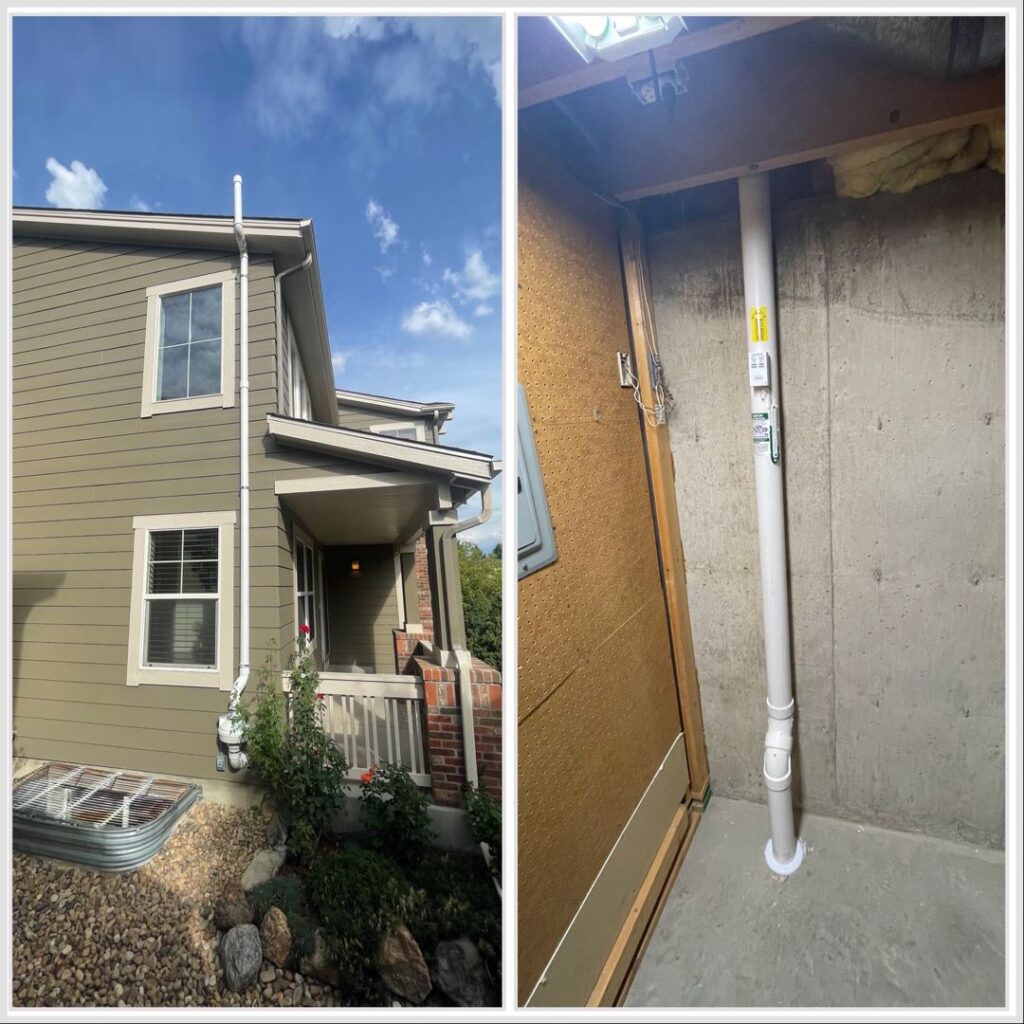
PVC pipes are installed beneath the foundation to collect radon and release it safely above the roofline. These pipes allow passive or active mitigation systems if needed later. For more information about radon testing services, you can also check out various online sources.
Foundation Sealing
Cracks and joints in the foundation are sealed to reduce gas entry points. This helps control pressure differences that pull radon indoors.
Together, these systems form the foundation of safe and efficient radon-resistant construction.
How Radon-Ready Homes Work
Radon-ready homes are designed to make future mitigation simple and effective. Even if radon levels are low initially, these homes are prepared for system activation if needed later.
A passive system is usually installed during construction. If testing shows elevated levels later, a fan can be added to create an active system.
This approach makes homes safer and more flexible over time. It also reduces future installation costs and construction disruption.
Importance of Early Planning in Construction
Planning radon control during the design stage is much more effective than trying to fix it later. Once a home is built, adding systems becomes more complex and expensive.
Early planning ensures that ventilation paths, foundation sealing, and pipe systems are properly integrated into the structure. This creates a strong foundation for long-term safety.
Builders who adopt new construction radon mitigation CO practices help create safer communities and healthier living environments.
Health Risks of Radon Exposure
Radon exposure does not cause immediate symptoms, which makes it especially dangerous. Over time, inhaling radon gas damages lung tissue and increases the risk of lung cancer.
The EPA estimates that radon causes more deaths annually than many other environmental hazards. Because exposure builds slowly, many people are unaware of the risk until testing is done.
This is why prevention in new homes is critical. Once a home is built, occupants may be exposed for many years without realizing it.
Role of Testing in New Construction
Even with radon-resistant features, testing is still important. No system is perfect without verification.
After construction is complete, radon testing colorado helps confirm that indoor levels are within safe limits. Testing also ensures that passive systems are working properly.
If levels are higher than expected, additional mitigation steps can be added to improve performance.
Commercial and Residential Applications
Radon-resistant methods are used in both homes and large buildings. However, the approach may differ depending on the structure size and use.
In larger projects, Commercial radon mitigation systems are designed for offices, schools, and multi-unit buildings. These systems handle higher airflow demands and complex layouts.
For homes, a residential radon mitigation system is simpler but still highly effective when properly installed during construction.
Why Builders Should Adopt Radon-Resistant Practices
Builders play a key role in protecting future homeowners. By adopting radon-resistant methods, they improve building quality and long-term safety.
These practices also add value to homes. Buyers increasingly look for health-focused features when purchasing property.
Using radon mitigation services during construction planning helps ensure compliance with safety guidelines and reduces future liability risks.
Cost Benefits of Radon-Ready Construction
Installing radon systems during construction is far more cost-effective than retrofitting later. Once a home is completed, adding systems requires drilling, installation of work, and additional labor costs.
Early installation reduces these expenses significantly. It also prevents potential health-related costs in the future.
For builders and homeowners, this makes radon-resistant construction a smart long-term investment.
Long-Term Value of Future-Proof Homes
Homes built with radon safety in mind are considered future-proof homes. They are designed to handle environmental risks before they become problems.
These homes often have better resale value and higher buyer confidence. Safety features like radon protection are becoming more important in real estate decisions.
By building with prevention in mind, homeowners protect both health and property value.
Professional Support and Installation
Professional guidance is important for proper radon system design and installation. Experts evaluate soil conditions, foundation types, and building design before creating a solution.
Companies that specialize in Commercial radon mitigation and residential systems ensure that installations meet safety standards and perform effectively over time.
In some cases, radon mitigation systems for commercial building designs are adapted for large-scale residential developments or mixed-use properties.
Contact and Appointment
If you are planning a new home or development project in Colorado, radon safety should be included from the start. Contact us Colorado Radon Mitigation LLC for expert guidance, design support, and installation planning. You can request an appoitment today to ensure your project is built with long-term safety, health protection, and radon-ready solutions.
Conclusion
Building homes with radon safety in mind is one of the most effective ways to protect long-term health. In high-risk areas like Colorado, adopting radon-resistant construction ensures safer living environments and reduces future risks. Early planning, proper installation, and regular testing all work together to create secure and healthy homes. Contact us Colorado Radon Mitigation LLC today and request an appointment to build truly radon-ready homes that protect families for generations.
FAQs
It is a building method that includes systems designed to prevent radon from entering homes during construction.
Yes, even new homes should be tested after construction to confirm safe indoor levels.
It is a protective layer installed before the foundation is poured to block radon from entering the home.
They significantly reduce risk, but testing is still important to ensure systems are working properly.
It is generally low-cost when installed during construction and much cheaper than retrofitting later.