Radon gas is a serious but invisible threat that can affect large buildings without any warning signs. Offices, schools, and apartment complexes are especially vulnerable because many people share indoor air for long hours every day. When radon builds up, it can quietly impact health over time without being detected.
In Colorado, the risk is even higher due to natural soil conditions and building designs that allow gas to enter easily. Understanding commercial radon mitigation in Colorado is essential for property owners who want to maintain safe indoor environments and meet health standards for occupants.
Unlike smaller homes, commercial buildings require more complex safety planning. Airflow systems, underground structures, and shared spaces all influence how radon spreads. Without proper control systems, exposure can increase across entire floors or units, making prevention a critical responsibility.
What Is Radon in Commercial Buildings?
Radon is a naturally occurring radioactive gas formed from the breakdown of uranium in soil and rock. It enters buildings through small openings in foundations and can accumulate in enclosed indoor spaces over time.
In commercial environments, radon exposure becomes more concerning because of the number of people affected. Employees, students, and tenants may all be exposed for long hours each day without realizing it.
The Environmental Protection Agency identifies radon as the second leading cause of lung cancer in the United States. This makes commercial building radon abatement a key part of maintaining safe and healthy environments in offices, schools, and apartment complexes.
Why Colorado Commercial Buildings Are at Higher Risk
Colorado has one of the highest radon potentials in the country due to its geological composition. Uranium-rich soil releases radon continuously, which can easily move into structures built above it.
Statewide data shows that nearly half of tested properties exceed safe radon levels. This includes both residential and commercial structures, making radon testing Colorado an important step for property managers and building owners.
Large buildings with basements or underground levels face even greater risk because radon naturally moves upward from soil into lower indoor spaces where air circulation may be limited.
How Radon Enters Large Buildings
Radon enters commercial properties through foundation cracks, construction joints, and gaps around pipes or structural openings. Once inside, it can spread quickly through air movement and shared ventilation systems.
In tall buildings, warm air rising creates pressure differences that pull radon upward from lower floors. This means basement levels and ground floors often experience the highest concentrations.
Shared HVAC systems can also distribute radon throughout multiple areas, making multi-unit radon mitigation more complex compared to single-family homes. Without proper control, exposure can spread across entire buildings.
Health Risks in Offices, Schools, and Apartments
Radon exposure in commercial buildings is a long-term health risk because people spend extended hours indoors. Over time, inhaled radon gas can damage lung tissue and increase the risk of serious illness.
The EPA reports that radon causes about 21,000 lung cancer deaths annually in the United States. This risk increases in enclosed environments where exposure is continuous, and ventilation is limited. For more information about radon testing services, you can also check out various online sources.
Children, workers, and residents are all affected equally when radon levels rise, making prevention in shared buildings especially important for public health safety.
Importance of Radon Testing in Commercial Spaces
Testing is the only way to determine if a building has unsafe radon levels. Without testing, property owners cannot identify exposure risks or take corrective action.
Short-term testing provides quick results, while long-term testing offers more accurate data over time. In commercial buildings, both methods are often used to understand seasonal and structural variations.
Regular radon mitigation services often begin with detailed testing to assess building conditions and design the right solution for each property type and usage level.
How Commercial Radon Mitigation Works
Commercial radon mitigation systems are designed to reduce gas levels before they enter occupied indoor spaces. These systems are built based on building size, foundation type, and airflow design.
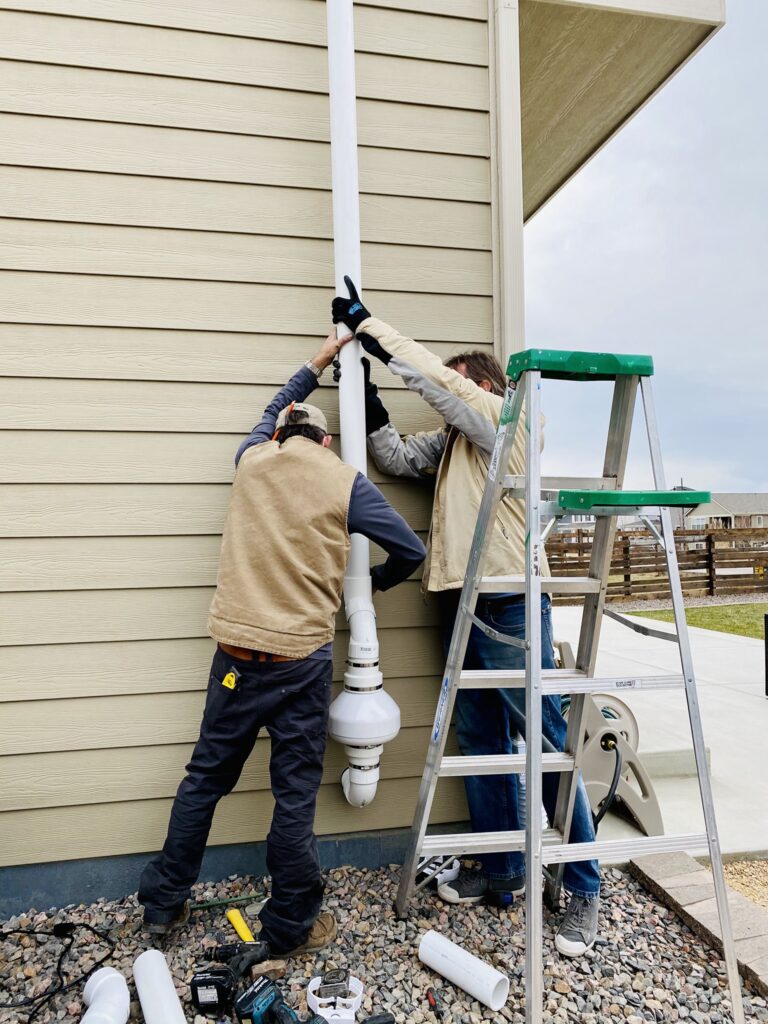
Sub-slab depressurization is one of the most common methods used. It involves installing pipes and fans beneath the building to safely redirect radon outside.
Other strategies include improving ventilation systems and adjusting indoor air pressure. A properly designed radon mitigation system for commercial building ensures long-term reduction and improved indoor air safety.
Difference Between Commercial and Residential Systems
Residential systems are generally simpler and designed for smaller structures like single-family homes. They focus on limited foundation areas and lower airflow complexity.
A residential radon mitigation system typically uses one or two suction points to control radon entry. These systems are effective for smaller spaces with predictable airflow patterns.
Commercial systems, however, must manage multiple floors, shared ventilation, and larger foundation areas. This makes design and installation more advanced and tailored to each building’s structure.
Schools and Apartments: Higher Responsibility Buildings
Schools and apartment complexes require special attention because they house vulnerable populations for long hours. Exposure risks increase when large groups share the same indoor air environment daily.
In schools, children may spend most of their day indoors, making consistent air quality essential. In apartment buildings, radon can move between units if not properly controlled.
Effective multi-unit radon mitigation ensures that all occupants are equally protected, regardless of where they live or work within the building.
Why Ongoing Testing and Monitoring Matter
Radon levels are not constant and can change based on weather, building use, or structural changes. This makes ongoing testing a necessary part of building safety management.
Even after mitigation systems are installed, regular checks ensure that equipment is functioning properly, and radon levels remain low.
Seasonal changes also affect gas movement, which is why continuous monitoring is recommended for long-term safety in commercial environments.
Professional Solutions for Large Buildings
Professional mitigation systems are the most effective way to control radon in commercial properties. These systems are designed based on engineering assessments and building-specific requirements.
Installation often includes multiple suction points, advanced ventilation strategies, and monitoring systems to ensure consistent performance.
Companies offering Commercial radon mitigation services provide complete solutions from testing to installation and maintenance, ensuring compliance and safety for all occupants.
Maintenance and Long-Term Safety
Radon mitigation systems require regular maintenance to remain effective. Fans, pipes, and monitoring devices must be checked to ensure proper operation over time.
Building changes such as renovations or HVAC updates can impact system performance. Regular inspections help identify and fix issues early.
Consistent radon testing Colorado ensures that buildings continue to meet safety standards and maintain healthy indoor environments.
Conclusion
Radon exposure in commercial buildings is a hidden risk that can affect employees, students, and residents over long periods. Understanding commercial radon mitigation Colorado helps property owners take early action and reduce health risks through proper testing and system design. Reliable mitigation, regular monitoring, and professional support ensure long-term indoor safety. Contact us Colorado Radon Mitigation LLC today and request an appointment to protect your building with trusted radon safety solutions that keep occupants safe every day.
FAQs
Radon is dangerous because it can accumulate indoors over time and affect many people who share the same air environment daily.
Yes, due to high statewide radon levels, testing is strongly recommended for all types of commercial properties.
Commercial systems are larger, more complex, and designed to handle multiple floors and shared ventilation systems.
Yes, radon can move between units if not properly controlled through a designed mitigation system.
Testing should be done regularly, especially after renovations or HVAC changes, to ensure continued safety.