Radon Mitigation for Commercial Buildings is becoming an essential part of modern facility management as awareness of indoor air quality risks continues to grow. Radon is a naturally occurring radioactive gas that can accumulate in enclosed spaces without warning, posing long-term health risks if not properly managed. For business owners, property managers, and developers, understanding how radon behaves in commercial structures is critical for maintaining safe environments.
Unlike many indoor pollutants, radon is invisible, odorless, and tasteless, which makes detection and prevention heavily reliant on testing and engineering solutions. Addressing this issue early helps protect employees, customers, and long-term property value.
Understanding Radon in Commercial Properties
Radon enters buildings through cracks in foundations, gaps in flooring, construction joints, and even utility penetrations. Once inside, it can accumulate to unsafe levels, especially in poorly ventilated areas such as basements, storage rooms, and underground parking structures.
Commercial buildings often face unique challenges compared to homes due to their size, complex HVAC systems, and variable occupancy patterns. Large floor areas and sealed environments can trap radon gas, allowing concentrations to build over time if not actively managed.
Why Radon Exposure Matters for Businesses
Long-term exposure to elevated radon levels is linked to serious health risks, including lung cancer. For employers, this creates not only a health concern but also a potential liability issue. Ensuring safe indoor air quality is part of maintaining workplace safety standards and protecting organizational reputation.
In some cases, Radon Levels Spike unexpectedly due to seasonal changes, weather conditions, or building pressure differences. This makes routine monitoring especially important for commercial properties where occupancy is continuous or high-volume.
Radon Testing and Assessment in Commercial Buildings
Before any mitigation plan is developed, accurate testing is essential. Professional radon testing helps determine current exposure levels and identify high-risk zones within a structure. In regions such as Colorado, testing is particularly emphasized due to naturally higher soil uranium content.
Radon testing colorado springs is often conducted in both residential and commercial structures to assess localized risk patterns and environmental conditions. These assessments help building owners make informed decisions about mitigation requirements.
Additionally, Comprehensive Radon Testing in Colorado programs are widely used to evaluate large buildings, ensuring that data is collected from multiple areas and floors for accurate results.
Mitigation Strategies for Commercial Properties
Effective control measures depend on building design, usage, and radon concentration levels. Engineers typically design systems that actively reduce gas infiltration and improve ventilation.
Sub-Slab Depressurization Systems
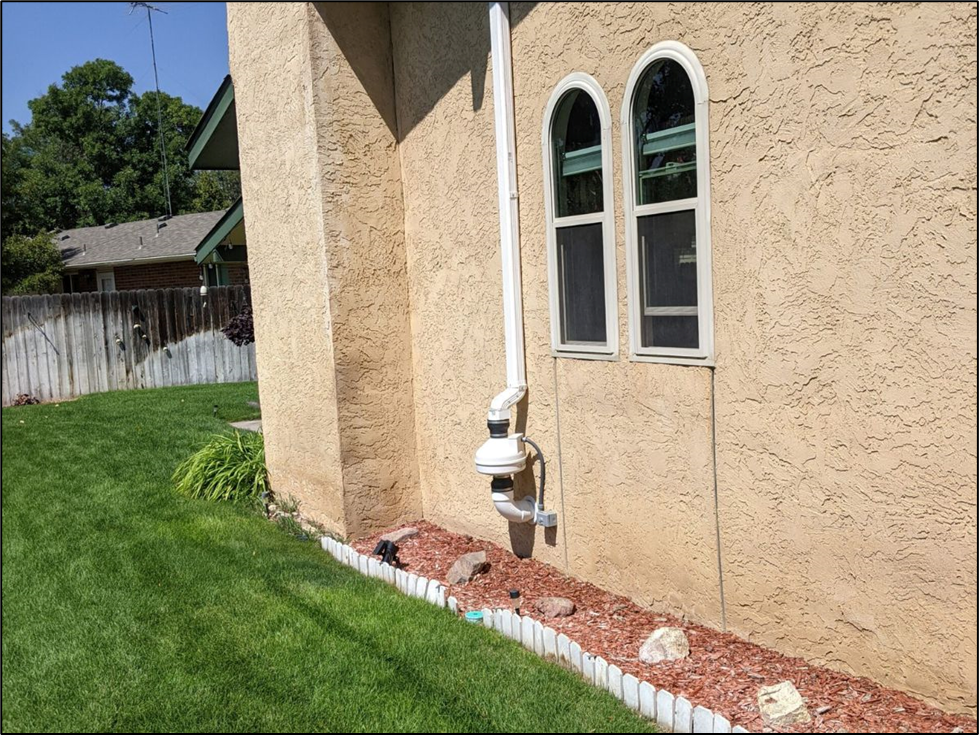
One of the most common solutions involves creating a vacuum beneath the building foundation to redirect radon gas away from indoor spaces before it enters.
Improved Ventilation Systems
In some buildings, enhancing HVAC performance can help dilute indoor radon concentrations. However, this is usually combined with other methods for best results.
Sealing Entry Points
Cracks, gaps, and structural openings are sealed to reduce gas entry. While sealing alone is not sufficient, it supports other mitigation efforts.
Active Monitoring Systems
Continuous monitoring ensures that mitigation remains effective over time and alerts facility managers if levels change.
Commercial Mitigation Planning and Implementation
A structured approach is essential when addressing radon in large buildings. Typically, the process begins with detailed testing, followed by system design, installation, and post-mitigation verification.
In the field of radon mitigation commercial buildings, engineers often tailor solutions to each structure rather than applying a universal method. Factors such as building height, foundation type, and occupancy influence system design.
Cost Considerations and Affordability
The cost of radon control varies depending on building size and system complexity. While large-scale systems may require higher initial investment, they are cost-effective in the long term due to reduced health risks and regulatory compliance benefits.
For many property owners, Affordable Radon Mitigation solutions are available that balance performance and budget constraints. These solutions often prioritize high-impact areas first before expanding system coverage.
Choosing Qualified Professionals for Mitigation
Selecting the right experts is crucial for effective radon control. Experienced contractors understand local soil conditions, building codes, and engineering requirements necessary for commercial projects.
In the U.S., especially in high-risk regions, certified radon mitigation contractors colorado are often preferred for their specialized training and compliance knowledge.
Working with professionals ensures that systems are properly designed and installed, reducing the likelihood of future issues or inefficiencies.
For businesses seeking expert assistance, it is common to Contact Colorado Radon Mitigation LLC for consultation and system evaluation services tailored to commercial properties.
Commercial vs Residential Radon Solutions
While both residential and commercial properties require radon control, the approach differs significantly. A residential radon mitigation system is typically smaller, simpler, and designed for single-family homes.
Commercial systems, on the other hand, must handle larger air volumes, complex layouts, and higher occupancy rates. This requires more advanced engineering and continuous performance monitoring to ensure safety across all areas of the building. To better understand radon mitigation methods and solutions, explore professional and informational online platforms.
Health, Safety, and Regulatory Considerations
Regulatory guidelines for indoor air quality are becoming increasingly strict in many regions. Businesses are expected to maintain safe environments not only for compliance but also for employee well-being.
Ignoring radon risks can lead to long-term health consequences and potential legal exposure. Proactive mitigation demonstrates responsibility and supports broader environmental health initiatives.
When Radon Risks Increase
Environmental and structural changes can cause radon levels to fluctuate. Renovations, weather shifts, and changes in ventilation patterns can all influence indoor concentrations.
In some cases, Radon Levels Spike during colder months when buildings are sealed more tightly for heating efficiency. This makes periodic reassessment an important part of facility management strategy.
Importance of Ongoing Monitoring
Even after mitigation systems are installed, ongoing monitoring is essential. Systems may require adjustments over time due to building aging or environmental changes.
Routine testing ensures that mitigation performance remains stable and continues to protect occupants effectively.
Conclusion
Managing indoor air safety is a critical responsibility for modern business owners, and Radon Mitigation for Commercial Buildings plays a key role in that effort. With proper testing, planning, and system installation, businesses can significantly reduce exposure risks and create healthier indoor environments. If you are evaluating solutions for your facility, now is the right time to take action. Reach out to Contact Colorado Radon Mitigation LLC today to explore tailored solutions and ensure your property is protected with reliable, long-term radon control strategies.
FAQs
Radon is a naturally occurring radioactive gas that can accumulate indoors and increase long-term lung cancer risk when present at high levels.
Testing is recommended every few years or after major structural or HVAC changes to ensure safe indoor air levels.
Ventilation can help reduce concentrations but is usually combined with other engineering systems for effective long-term control.
Yes, areas with uranium-rich soil tend to have higher radon levels, making testing especially important in those locations.
Installation time varies based on building size and complexity but typically ranges from a few days to a couple of weeks for commercial properties.