Radon is a dangerous gas that cannot be seen or smelled, yet it affects many indoor spaces across North Carolina. For commercial properties such as offices, retail buildings, and warehouses, radon exposure can pose serious health risks if not measured and controlled. Since people spend long hours in workspaces, ensuring the air they breathe is safe is one of the most important responsibilities for building owners and managers.
In areas of North Carolina where radon levels are elevated, failing to control this gas can lead to lung health issues over time. This article explains why radon mitigation is essential for commercial buildings in NC, how testing works, what systems do, and how you can protect your property and the people inside it.
What Is Radon and How Does It Affect Commercial Spaces
Radon is a naturally occurring radioactive gas that comes from the breakdown of uranium in soil and rock. It can enter buildings through cracks in foundations, gaps around pipes, and ventilation systems. Once inside, it can build up to harmful levels if there isn’t proper airflow.
According to the U.S. Environmental Protection Agency (EPA), radon is the leading cause of lung cancer among non‑smokers and is responsible for thousands of deaths every year in the United States. In commercial buildings, where many people spend a large portion of their day, this soil gas can become a real health concern if not addressed.
Why Commercial Settings are at Risk
Large buildings have more foundation areas and more potential entry points for radon to move inside. The way air flows within hallways, storage areas, and offices can also trap radon if ventilation is not well balanced.
People in offices, staff in retail spaces, and visitors in public buildings may all be exposed for hours at a time. Without testing and proper mitigation, radon levels that are above safe limits can go undetected for long periods.
The Health Impacts of Radon Exposure
Long‑term exposure to radon increases the risk of lung cancer. The EPA estimates that radon causes about 21,000 lung cancer deaths each year in the U.S. The risk is higher for people who smoke, but even non‑smokers are affected when radon is present at high levels over many months.
Commercial buildings often serve workers, customers, and tenants for years. When radon levels go unchecked, the cumulative exposure can lead to serious health outcomes, making radon mitigation critical.
Importance of Radon Testing for Commercial Buildings
Before a mitigation plan can be designed, property owners need accurate measurements. Radon testing services help detect and quantify radon levels in indoor air. These services may involve short‑term or long‑term tests using professional equipment placed in various areas of the building.
Short‑term tests typically last a few days and provide a snapshot of radon levels. Longer tests, which may run for several months, give a more accurate average of exposure. Especially in larger buildings, testing in multiple locations ensures that areas with higher levels are identified.
How Testing Guides Safety Decisions
Knowing where and how much radon exists inside a building helps property owners decide what mitigation steps are needed. Testing reveals whether radon is at or above recommended safe levels and whether additional systems should be installed to lower concentrations.
Without testing, it is impossible to know if radon levels are safe or if action is required. Regular testing also helps make sure that any mitigation approach continues working effectively over time.
What Radon Mitigation Does for Commercial Buildings
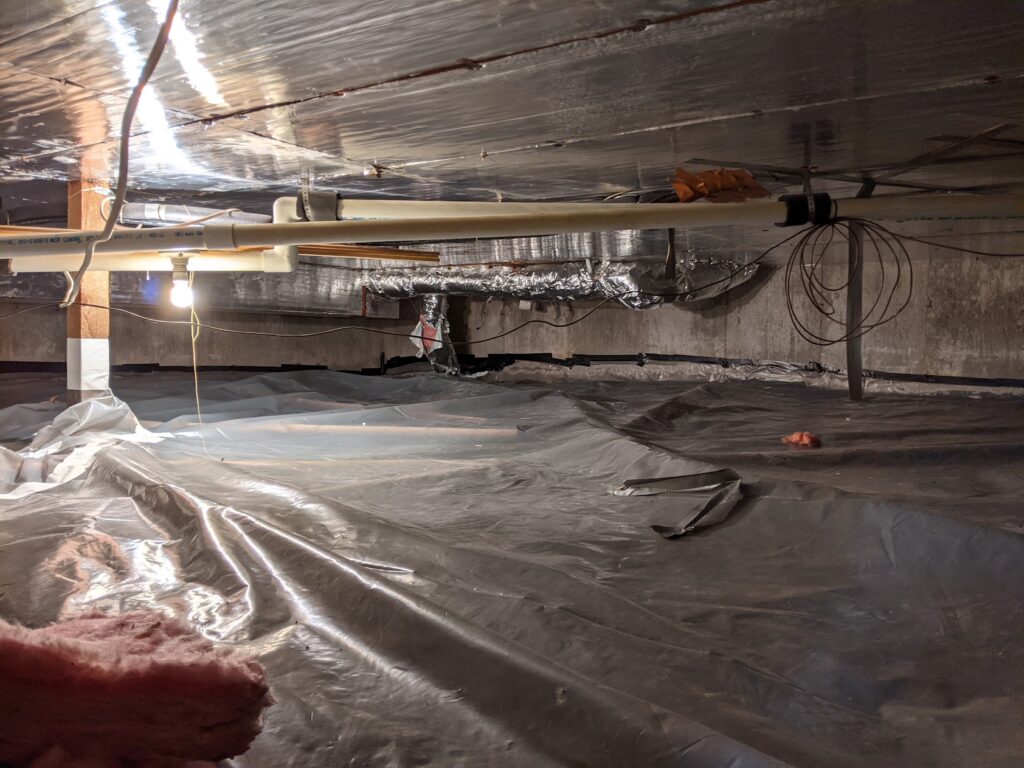
Once radon levels are known, mitigation can begin where needed. A commercial radon mitigation system reduces the amount of gas that enters the building and helps release it outdoors where it cannot harm occupants. Professionals design these systems to work with each building’s foundation type and airflow patterns.
These systems use pipes and fans to create suction beneath floors or slab areas. This suction pulls radon away from the building’s interior and vents it above the roofline, where it disperses safely into the air. This approach protects indoor air quality and reduces long‑term health risks.
How Mitigation Enhances Indoor Air Quality
Improving indoor air quality isn’t just about lowering radon, but also making sure the space feels healthier overall. When radon levels are reduced, respiratory stress and long‑term risk factors decrease. This can result in fewer sick days, increased productivity, and greater peace of mind for building users.
For commercial property owners, investing in mitigation shows a strong commitment to occupant health and safety. It also supports compliance with health guidelines and recommendations that protect both people and property.
How Radon Enters Buildings in NC
North Carolina has several regions where radon levels can be elevated due to soil composition and geological factors. Radon gas originates in the ground and moves upward. It can travel through tiny cracks or openings in concrete slabs, walls, and utility penetrations.
Once radon gets indoors, it can accumulate especially in spaces with limited ventilation, such as basements or storage rooms. Office areas and public spaces with airflow that pushes soil gas upward may also be prone to higher levels if not monitored.
Common Entry Points for Radon
Common entry pathways include:
- Gaps around pipes and cables entering the structure
- Cracks in concrete slabs or foundation walls
- Joint areas between floors and walls
- Openings around drains or sumps
Identifying these pathways is part of a professional investigation during testing and system design. Mitigation helps control these weak points and diverts radon away from occupied spaces.
Why Radon Mitigation in Commercial Buildings Matters
For workplace safety standards and general well‑being, radon mitigation in commercial buildings matters for several reasons. Not only does it protect health, but it also sustains property value and demonstrates due diligence as a building owner or manager.
Employers have a duty to maintain safe environments for staff. Customers and tenants also expect spaces that do not pose hidden risks. Knowing radon levels and responding with mitigation safeguards your building’s reputation and supports confidence in your facility.
Economic and Legal Considerations
Although there may not be legal mandates for radon mitigation in all commercial settings, professionals increasingly recommend testing and mitigation as part of responsible building management. In real estate transactions, radon levels are sometimes considered in evaluations.
Lowering radon can make your property more marketable and may avoid future claims related to indoor air quality. In some cases, insurance considerations may also reward proactive mitigation plans.
Steps in a Professional Mitigation Project
Installing a mitigation solution typically involves several steps carried out by trained technicians:
- Initial testing: Gather baseline radon levels throughout the building
- Evaluation: Determine the best mitigation approach based on foundation and building layout
- Installation: Place pipes, fans, and vents to reduce radon entry
- Follow‑up testing: Confirm the system has lowered radon to safe levels
- Maintenance checks: Ensure the system continues to function over time
Following these steps ensures a systematic approach that protects health without disrupting normal operations.
How Long Mitigation Systems Last
Properly installed mitigation systems can work for many years with minimal maintenance. Periodic checks and occasional adjustments keep them effective, especially if building use or structure changes over time.
Follow‑up testing ensures that controls are still reducing radon as expected.
Choosing Qualified Radon Professionals
Selecting experienced technicians for radon mitigation services is essential. Certified professionals understand the science behind the radon movement and know how to design systems that work with various commercial foundations.
Skills, tools, and local knowledge all play into how well a mitigation solution performs. When choosing a team, consider credentials, references, and previous commercial projects.
What to Ask a Radon Provider
Before hiring, you can ask:
- How many commercial projects have they completed?
- What testing methods do they use?
- Do they offer follow‑up testing after installation?
- Are their systems tailored to the building’s design?
Answers help ensure you get a reliable and long‑lasting solution.
Monitoring After Mitigation
Even after a system is installed, monitoring radon levels is important. Buildings change over time, and ventilation patterns can shift with new HVAC equipment or renovations. Regular testing every year or two helps confirm that radon remains low.
Monitoring also gives peace of mind to employees, visitors, and tenants. Regular reports and test summaries demonstrate ongoing care and responsibility.
How Mitigation Helps NC Property Owners
For commercial properties in North Carolina, knowing that indoor spaces are safe can reduce health risks and better protect building occupants. Mitigation enhances indoor air quality and supports safer environments for work, school, or business.
Reducing radon also aligns with broader efforts to improve overall indoor conditions, which may include moisture control, ventilation upgrades, and regular air quality checks.
Community and Workplace Health Benefits
When radon is controlled, workplaces become healthier and more productive. Workers who breathe fresh air may miss fewer days due to respiratory concerns, and tenants may feel more confident in leasing space.
Healthy buildings help communities thrive. Property owners who act early set a positive example in building care and public health.
Conclusion
Radon mitigation is essential for commercial buildings in North Carolina because it protects health, improves indoor air quality, and demonstrates responsible building management. Toxic gas like radon can accumulate unseen and pose serious health risks over time, especially when people spend most of their day inside. By testing first and installing a proper mitigation solution, property owners can ensure safer environments for workers, tenants, and visitors. If you are ready to protect your NC commercial space and take steps toward better indoor safety, contact us Radon Mitigation today to begin a professional, reliable mitigation plan that safeguards your property and the people who depend on it.
Frequently Asked Questions
Radon can only be confirmed through professional testing done by certified services.
The EPA recommends action if levels reach 4 picocuries per liter (pCi/L) or higher.
Yes, systems can be designed for many building types, but professional evaluation is needed.
Installation time varies but often takes a few hours to a full day depending on building size.
With proper maintenance and monitoring, systems continue reducing radon for years.