Radon is a naturally occurring radioactive gas that can sneak into homes and commercial buildings without anyone noticing. Because it’s invisible, odorless, and tasteless, most people don’t realize it’s present until a test reveals elevated levels. In Denver, radon is a serious concern due to the local soil and rock formations, which make the area prone to higher concentrations. Studies show that about half of Colorado homes test above the EPA’s recommended action level of 4.0 pCi/L, which increases the risk of lung cancer over time.
Even small amounts of radon can be dangerous when inhaled over long periods. This makes testing and mitigation essential for anyone living or working in the Denver area. For homeowners, landlords, and business owners, understanding what to expect from radon mitigation services helps you make informed decisions, plan your budget, and protect the people inside your building.
In this guide, we will walk you through the testing process, the types of mitigation available, what costs to expect, and how commercial buildings can benefit from professional solutions. By the end, you’ll know how to secure safe indoor air while keeping radon mitigation affordable.
What Is Radon and Why It Matters
Radon is naturally occurring and forms from the breakdown of uranium in soil and rock. Because it cannot be seen, smelled, or tasted, testing is the only way to know if your space has high radon levels. According to local public health data, roughly half of all homes in Colorado test above the EPA action level of 4.0 pCi/L, the point at which mitigation should be considered to reduce health risks.
Exposure to higher radon levels over long periods increases the risk of lung cancer, and professional testing is the first step toward protecting your family or business.
Understanding Radon Risk in Denver
Denver County is classified in EPA Zone 1, meaning it has some of the highest radon potential in the United States. The average indoor radon level in Denver exceeds the recommended safety threshold of 4.0 pCi/L.
This classification doesn’t mean every property will test high, but it does mean that regular testing is recommended for all residential and commercial buildings, especially in older properties and structures with basements or crawlspaces.
What Radon Testing Looks Like
Radon testing measures the amount of radon gas in indoor air to determine if levels are safe. Tests can be short-term for a quick snapshot or long-term for a more accurate average.
Short‑Term vs Long‑Term Tests
Radon testing measures the concentration of radon gas in indoor air. There are two main testing methods:
- Short‑Term Testing: Typically, 2–5 days and captures a snapshot of current radon levels under closed‑house conditions.
- Long‑Term Testing: Runs 91 days a year, offering a more accurate picture of average exposure.
Testing devices range from low‑cost DIY kits to professional devices installed by certified technicians. A professional test gives more reliable results and is especially recommended if you plan to buy, sell, or mitigate your property.
How Radon Mitigation Works
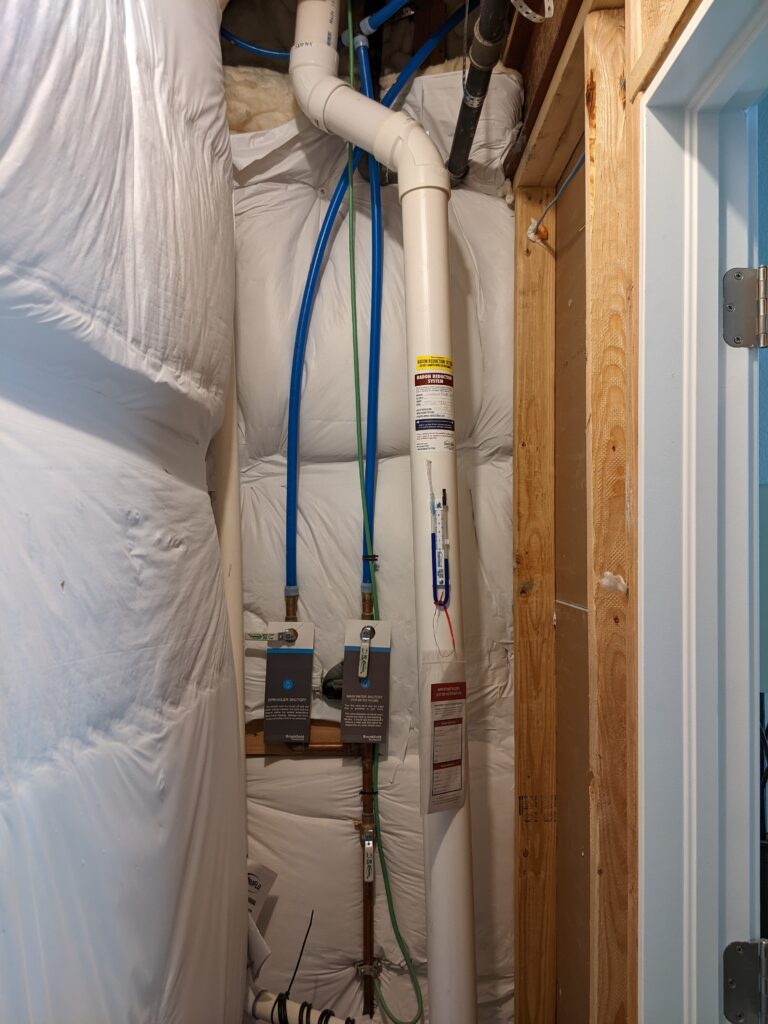
Once testing shows elevated radon levels, a professional mitigation system is the most effective solution. Mitigation reduces radon by controlling airflow and diverting gas from beneath the foundation to the outdoors, often through piping and a small fan system.
Key parts of mitigation include:
- Sub‑slab Depressurization: Sucks radon from under the foundation before it enters the building.
- Drain Tile Suction or Sump Systems: Used in buildings with drainage systems or sump pits.
- Crawlspace Encapsulation: Seals crawlspaces and vents radon out safely.
Professional systems typically reduce radon 80–99% and often bring dangerous levels well below recommended action thresholds.
Affordable Radon Mitigation: Cost Expectations
Radon mitigation costs in Denver depend on the building type and system complexity. For most homes, a standard system ranges from $950 to $1,685, while larger or more complex properties, including commercial buildings, can cost $800 to $3,000. Costs vary based on foundation type, number of suction points, pipe length, and accessibility. Despite the upfront expense, professional mitigation is a small investment compared to the long-term health risks of radon exposure, ensuring safer indoor air for everyone inside.
Typical Price Range in Denver
Radon mitigation cost in Denver varies by foundation type, design complexity, and size of the property. On average, installations range from about $800 to nearly $3,000, with most standard residential systems around $950–$1,685 (Denver County average).
Here’s what affects pricing:
- Foundation design (slab vs basement vs crawlspace)
- Number of suction points needed
- Routing and pipe length
- Accessibility for equipment and labor
- Local permit and inspection fees
Even at the higher end, professional mitigation costs are similar to many home safety and maintenance projects, and investing in mitigation can be far cheaper than the long‑term health costs of unchecked radon.
Timeframe: From Testing to Mitigation Completion
Expect the entire process to take:
- Testing: 48 hours to 91 days (depending on type)
- Mitigation Installation: Typically completed in one day for most homes
- Verification Post‑Install: A follow‑up test 24–48 hours after installation
This means that from initial tests to confirmed safer indoor air, the process is manageable and relatively quick when handled by experienced professionals.
Choosing the Right Radon Mitigation Service
Picking the right radon mitigation service ensures your building stays safe. Make sure technicians are certified and licensed and get multiple quotes to compare costs and timelines. Look for providers who offer guarantees on results and have experience with both residential and commercial buildings. Experienced professionals can design a system that effectively reduces radon and provides long-term peace of mind.
What to Look For
When seeking radon mitigation services:
- Ensure technicians are certified and licensed at the state and national level.
- Ask multiple quotes to compare pricing and timelines.
- Check for guarantees or warranties on reduction results.
- Choose a provider with experience in both residential and commercial applications if needed.
Whether you’re looking for mitigation in a home or commercial radon mitigation, professionals will tailor a system to your layout and risk levels. Larger buildings such as offices or facilities often require engineered designs that address multiple floors and occupancy zones.
Radon Mitigation in Commercial Buildings
Radon risk isn’t limited to homes. Buildings like offices, schools, and multi‑tenant properties can also have elevated indoor radon. Commercial mitigation often involves:
- Multi‑zone testing
- Larger or multiple suction systems
- Regular inspections and maintenance plans
Addressing radon in commercial buildings protects occupants, meets safety expectations, and improves air quality, especially in spaces where people spend long hours.
When Mitigation Makes Financial Sense
In real estate transactions, a high radon test result can feel like a stumbling block. However:
- Radon mitigation is typical and effective at lowering dangerous gas levels.
- Costs are often negotiated as part of closing credits.
- Mitigated properties can be more attractive to buyers who value health and safety documentation.
Conclusion: Get Radon Protection You Can Afford Today
Affordable radon mitigation in Denver means understanding the risk, getting tested, and working with experienced professionals to reduce dangerous indoor radon levels effectively. Whether you’re planning home improvements, preparing a property for sale, or safeguarding a radon mitigation commercial building project, the steps are clear, cost‑effective, and impactful for health.
Don’t wait until radon becomes a problem — schedule your radon testing and mitigation in Denver now to protect your indoor air quality, reduce long‑term health risks, and enjoy the peace of mind that comes from a safer environment.
Frequently Asked Questions
A radon level above 4.0 pCi/L is considered elevated and should be mitigated for safety according to EPA guidelines.
Test every 2–5 years or after major renovation. If you have a mitigation system, retest after installation and annually to ensure performance.
Professional testing and mitigation are recommended, especially for commercial structures, due to complexity and accuracy needs.
Yes. Some local health departments offer free test kits, and low‑income mitigation programs may help cover costs if eligible.
Yes. A documented mitigation system can reassure buyers and remove health concerns during property sales.